5 MIN READ
07-03-2025
The River Never Rests: A Day in the Life of the Riverboom Team
Ahmad Fasta, 4ocean Indonesia Content Correspondent
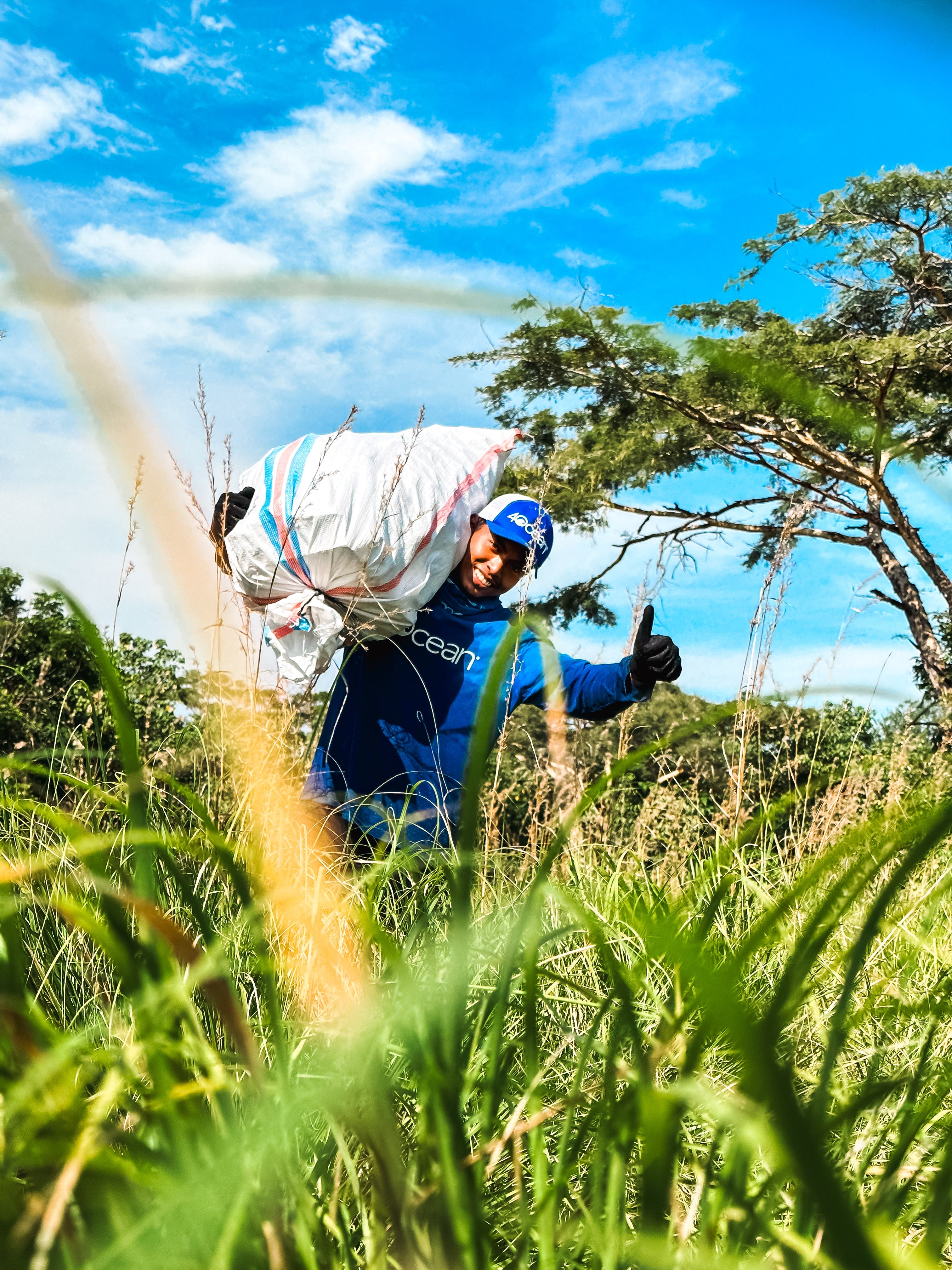
The morning started like so many others: at the warehouse, gear in hand, the crew preparing for another long day on the water. The Riverboom team knows this river well—it’s their daily route, and each stop along the way tells a story about where the waste is coming from, and where it might go if they weren’t there to catch it.
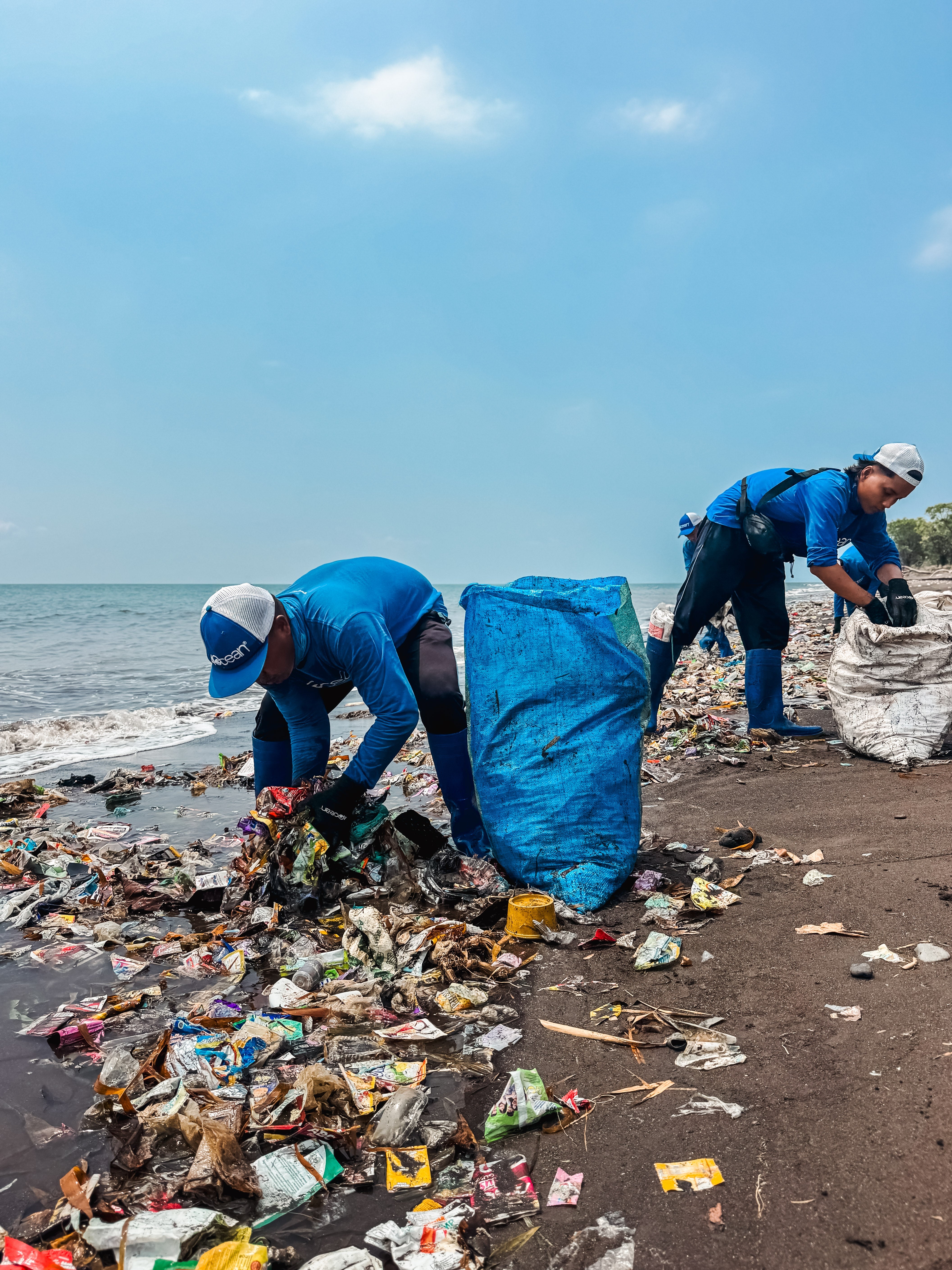
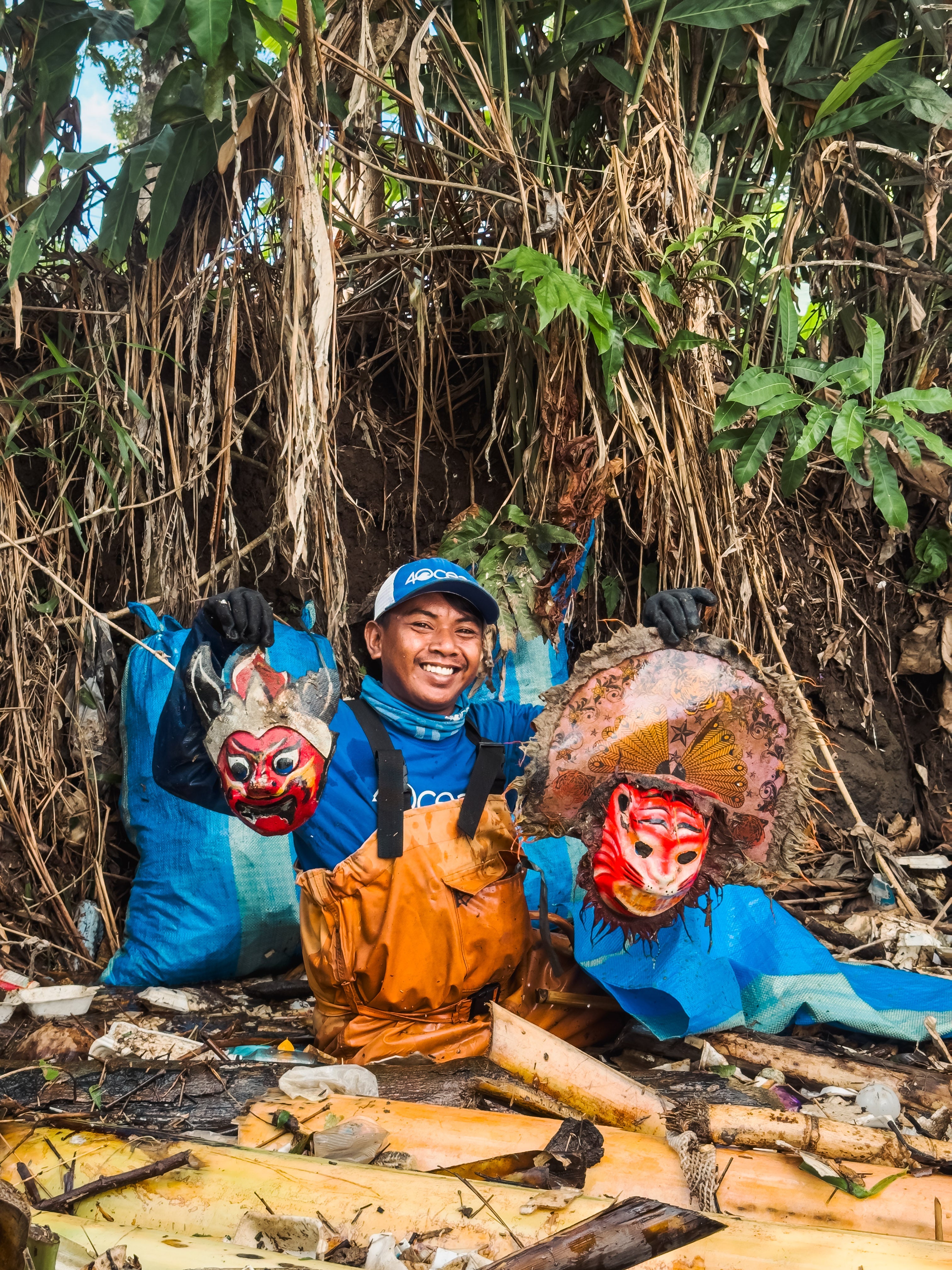
The first stop was a familiar one: a trash barrier installed beneath a decades-old bridge. This stretch of netting, while simple in design, plays a powerful role in protecting the sea—catching everything from market waste to household plastics before it can drift downstream and disappear. The crew approached by boat, Misni and Jihad perched at the front, hauling up soaked plastic bags, sachets, oil jugs, and even scraps of fabric. Captain Akbari kept the boat steady while helping to bag the waste. It’s a rhythm they’ve refined through repetition: sweep, collect, lift, sort.


Once the net was cleared, they paddled to shore and offloaded everything for weighing. Then it was back upriver to check the next barrier. This one could be cleaned from the bank—less hassle, but just as much debris. Within half an hour, it too was cleared.


The waste they removed that day added up quickly: 1,438.1 pounds from just two points. A familiar mix of styrofoam, plastic bags, wrappers, and other fragments of daily life. Some of it swept in by floods, some of it tossed out without a second thought. But all of it caught—because the team showed up.
“This is part of our routine now,” one crew member shared. “The river doesn’t rest, and neither do we.”
There were challenges. Large jugs and sacks were tangled deep in the netting, forcing the crew to lift carefully from the boat. Heat bore down by midday, making every movement heavier. The river’s shifting water levels kept them on alert. But these are the kinds of obstacles they’ve learned to expect—and to work through together.
Beyond the cleanup, this effort plays a bigger role. The river is a vital passage for local fishermen and one of the last lines of defense before waste hits open water. These daily operations do more than just remove trash—they give us a real-time look into what’s polluting our rivers. They help us track patterns, understand sources, and plan what comes next.
The Riverboom system works—but only because someone checks it every day. Someone rows out. Someone lifts. Someone sorts. And every time they do, they’re not just protecting the sea. They’re protecting the people who depend on it.