5 MIN READ
07-01-2025
When the Trash Hits the Shore
Dika, 4ocean Indonesia Content Correspondent
When the tide brings more than just waves, the call to action is loud and clear.
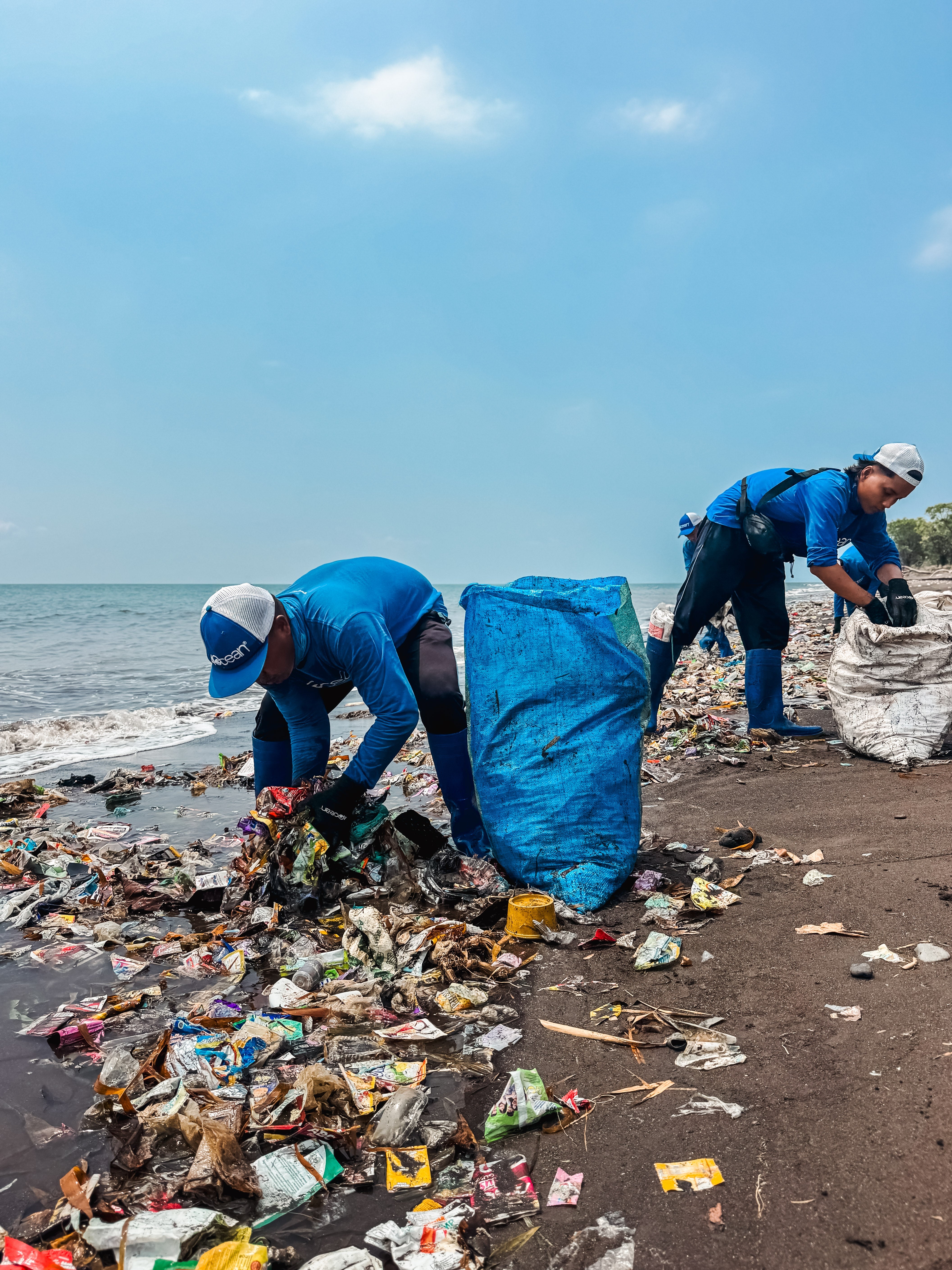
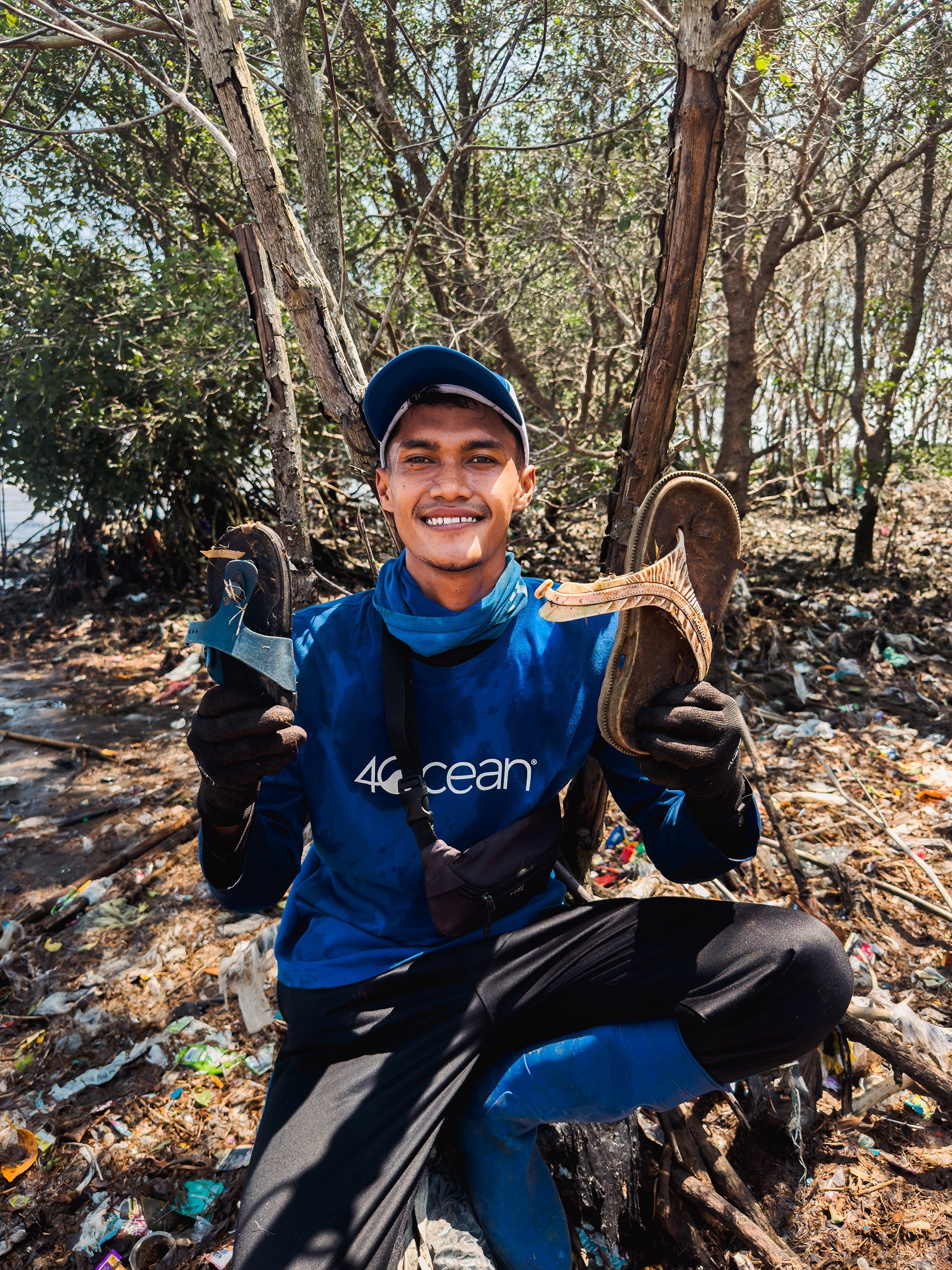
After a week of heavy rains and flash floods, the shoreline was overwhelmed. Carried downriver by swollen currents, a mix of organic debris and synthetic waste had washed into the ocean—and come right back with the tide. Foam packaging, tangled rope, worn-out shoes, and plastic bottles now lined the beach, buried beneath mounds of bamboo. That morning, a tip from the field set the 4ocean crew into motion.


The team arrived in under 30 minutes, geared up and ready. With the tide still low, Captain Krisna moved quickly—assigning roles and mapping the most urgent cleanup zones. The team split up to begin removing plastic waste first, followed by heavier non-plastics. Flip-flops, glass bottles, dolls, oil-stained jugs—item by item, the shoreline was cleared and sorted.


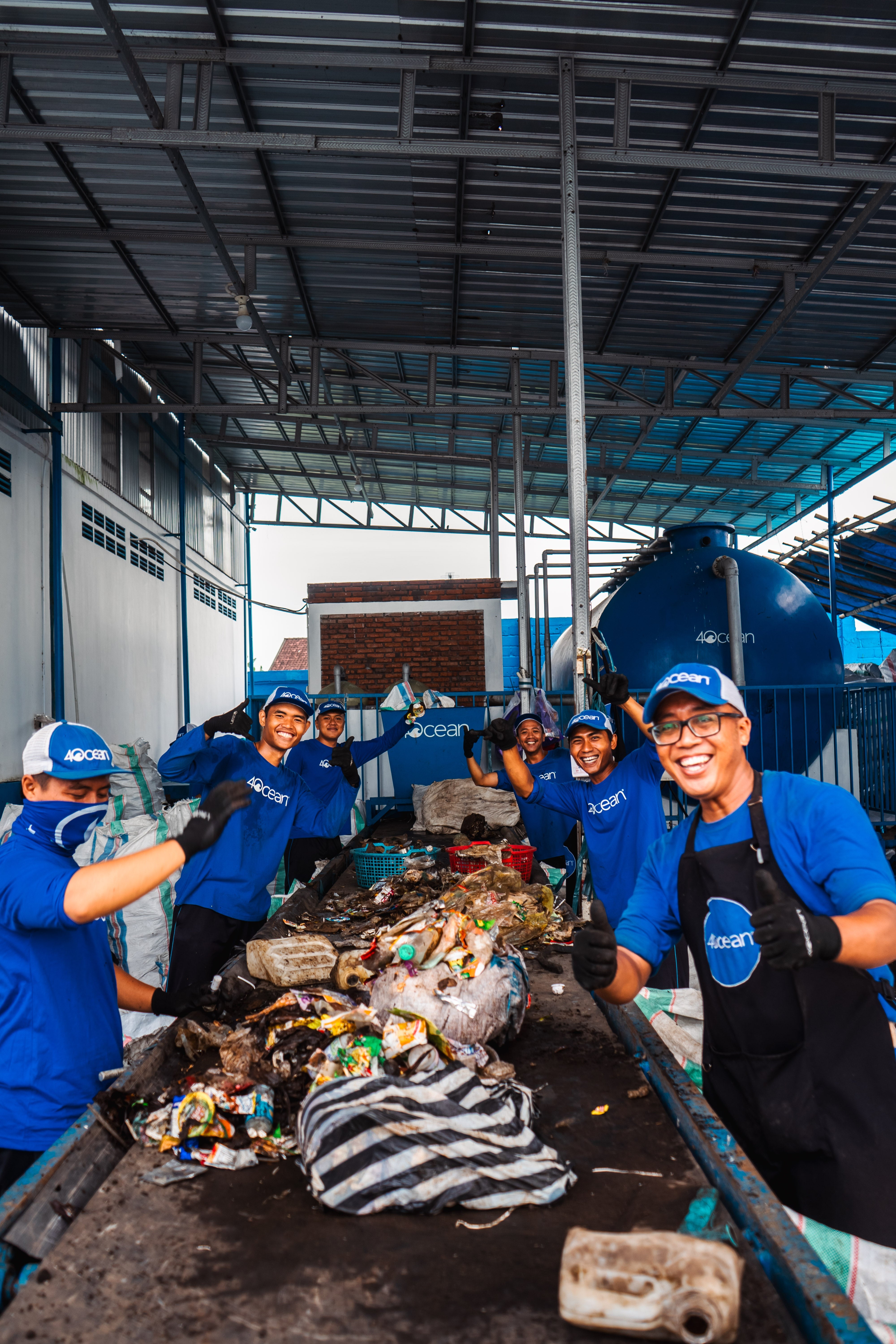
By the end of the operation, the team had removed a total of 1,558.2 pounds of trash. All of it was packed into 52 sacks, each one loaded by hand, hauled out by motorbike, and transferred to trucks for proper processing. Every piece was accounted for, and every step was a testament to the crew’s commitment.
“Each site has its own struggle,” said Imang, one of the crew. “But our mission stays the same. We're here to protect the coast from this wave of plastic that never stops.”
It wasn’t easy. The sheer volume of bamboo meant much of the trash was hidden beneath sharp, splintered piles. Digging it out took time—and patience. Once packed, transporting the sacks was another challenge. With the beach path too narrow for vehicles, the crew relied on motorbikes to shuttle the waste half a kilometer back to the nearest access road.
This cleanup wasn’t just about removing trash—it was about facing the upstream consequences of poor waste management. It’s a loop the team has seen before: trash tossed into rivers finds its way to the sea, only to return with the tide. This beach was just one stop in that cycle.
That’s why we keep showing up. To break the loop. To push back against the plastic. To prove that change is possible—sack by sack, shore by shore.