


7 min read
Business-Track Diplomacy in Action: What a 2022 Study Reveals About 4ocean’s Role in Environmental Peacebuilding
Cathleen P. Montano
Environmental problems aren’t just about nature anymore. They shape economies, strain communities, and left alone, can fuel conflict. That’s why a growing corner of international relations now treats climate and plastic pollution as security issues, not side topics.
A 2022 article in Jurnal Inovasi Ilmu Sosial dan Politik makes a simple case: companies can act like quiet diplomats. Not with handshakes and treaties, but with practical solutions that cross borders and lower risks. The study’s example is 4ocean, a for-purpose company that funds year-round cleanups by selling products made with recovered materials. It’s a modest idea with outsized effects: pick up trash, publish the data, pay people fairly, and keep going tomorrow.
This is the editorial take on why that matters.
From theory to tide line
International relations scholars have been saying it for years: when ecosystems break down, societies feel it. Food prices rise. Jobs vanish. Tension spreads. The UN’s Sustainable Development Goals tried to capture that link with targets on climate, oceans, and land. But progress is rarely about slogans; it’s about operations.
That’s what makes 4ocean interesting. It started with a local problem (plastic-strewn beaches in Bali) and built a system around it: full-time crews on oceans, rivers, and coastlines; river booms that catch waste before it reaches the sea; processing hubs that sort, wash, and bale materials; and public reporting that turns cleanup into verified data. The result is a simple promise regular people can understand: every purchase funds more of this work
Is that diplomacy? Not in the traditional sense. But it is a form of cross-border problem-solving that lowers shared risks. And that’s the spirit of diplomacy; just delivered with boats, nets, and spreadsheets.
How the model actually works
The research describes a loop that’s as unglamorous as it is effective.

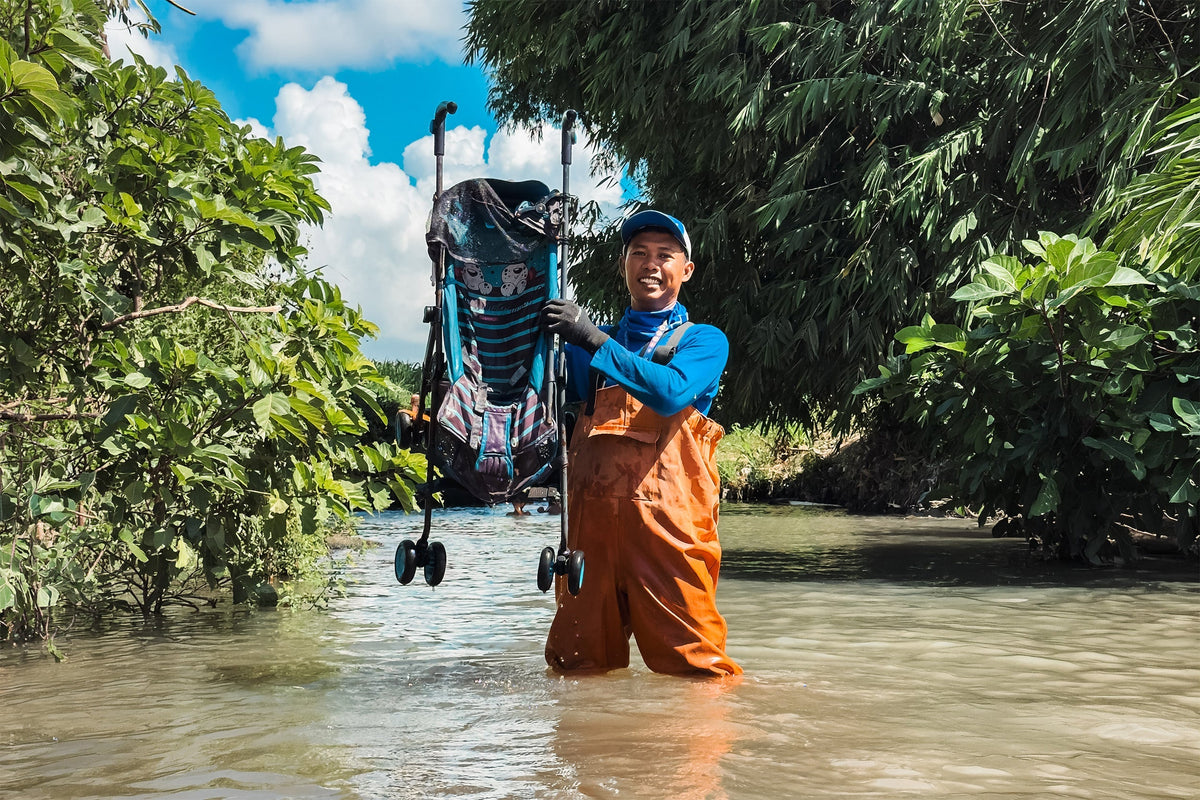
- Cleanups run daily. Crews operate in Indonesia and Florida, with a footprint designed to expand. Work happens on the water, on beaches, and in rivers, because rivers are the highways that move waste out to sea.
- Materials are handled responsibly. What’s collected is logged, weighed, sorted, and routed to recycling or proper disposal. In Bali, the processing hub uses equipment to wash, shred, compress, and prepare materials, and it recycles the water used in the process.
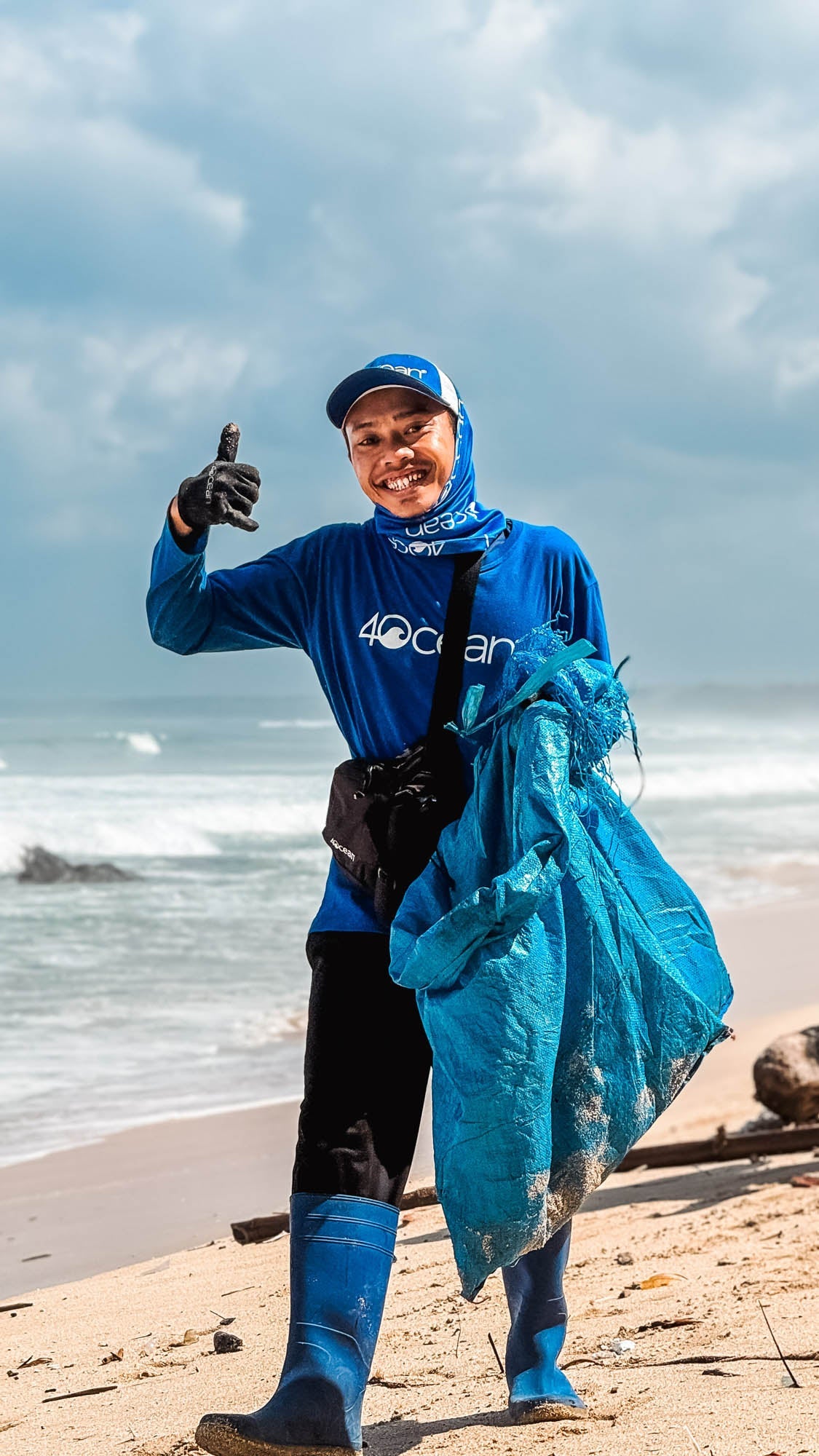
- Jobs come first. Cleanup is a profession here. Captains and crews are paid, trained, equipped, and insured. That turns environmental recovery into local livelihood.
- Products fund the next day. Recovered materials and responsibly sourced inputs become bracelets and other goods. Sales keep crews working tomorrow without waiting for grants or donation seasons.
- Standards keep everyone honest. Public benefit governance, third-party audits, and recognized certifications create a trail of accountability. Customers can check the receipts.
None of this is flashy. But the best systems rarely are.
Why this reads like “business-track diplomacy”
The study frames 4ocean as a transnational actor, operating across countries, coordinating with local agencies, and meeting global standards. That matters for three reasons:
- Mutual benefit, not zero-sum. Coastal communities gain jobs and cleaner waters. Customers and brand partners gain verified impact. Governments gain a reliable operator.
- Interdependence in motion. Cleanup requires permits, community trust, supply-chain partners, and auditors. That web of relationships is cooperative by design.
- Norms that travel. Third-party standards and transparent reporting set expectations other actors can adopt. It’s soft power, measured in waste diverted and livelihoods supported.
Call it diplomacy or don’t. The effect is the same: lower environmental risk and stronger social stability.
Bali, up close
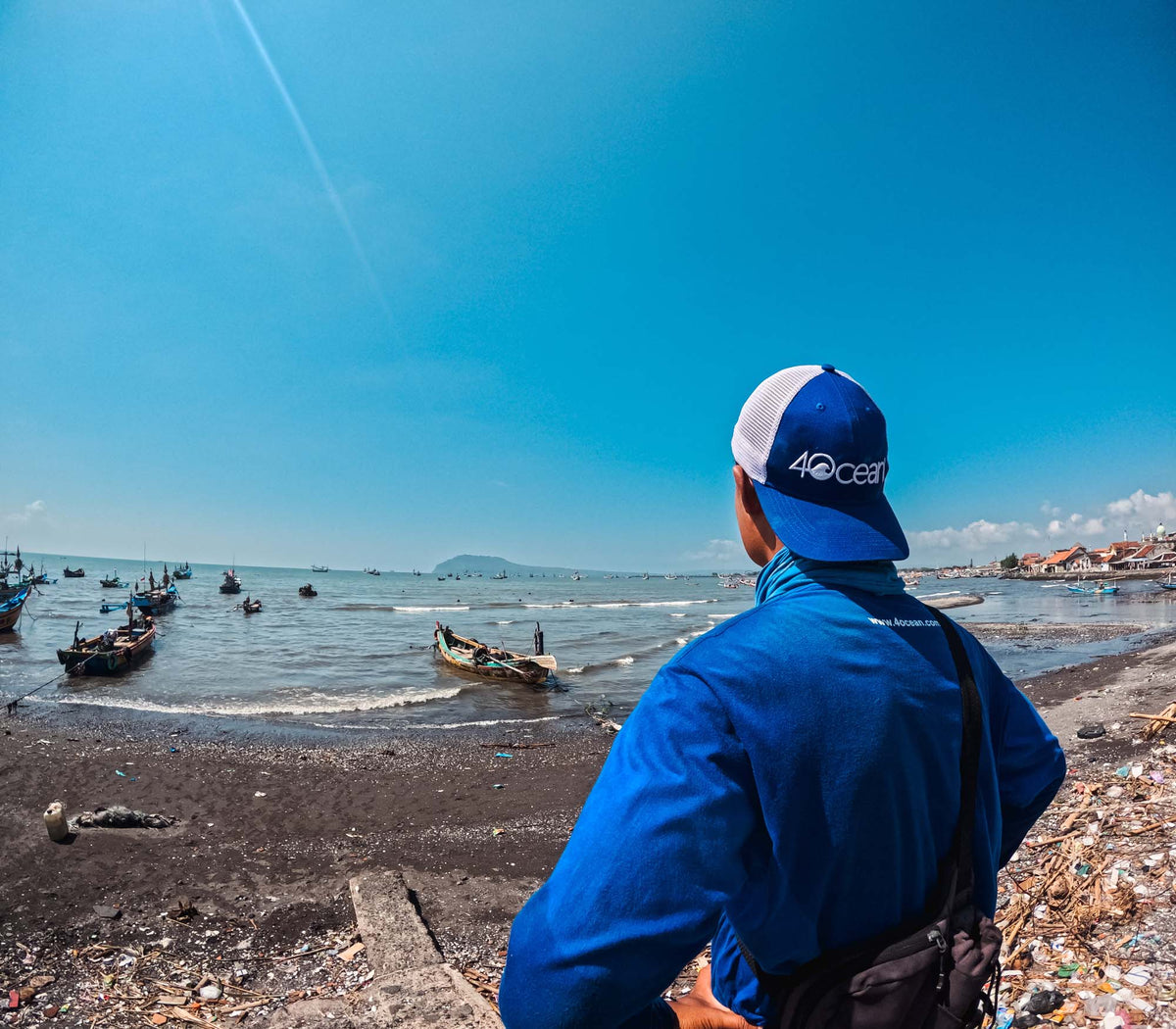
The paper’s Bali focus is practical, not postcard-pretty. Denpasar serves as the administrative and sorting center. Medewi and Jembrana extend the reach through shoreline crews, river fences, and marine operations. Monsoon seasons push debris ashore; river systems move poorly managed waste out to sea. The response is tailored: catch trash upstream, recover it on beaches, intercept it offshore, and process it so it doesn’t return to the environment.
Two quiet innovations stand out. First, adapting local fishing knowledge into a manual “trash sweeping” rig, two boats with a net between them, that hauls debris efficiently. Second, closing the loop on water use in the processing facility, so cleaning trash doesn’t create a new problem.
This isn’t a media stunt. It’s maintenance. And maintenance is what resilience looks like in the real world.
The bigger picture for policy and brands
If you work in government or development, the paper’s takeaway is straightforward: verified private operators can accelerate SDG progress when municipal systems are strained. Data from daily operations (weights, locations, season) can inform policy, staffing, and infrastructure planning. The work becomes both service and signal.
If you’re a brand, there’s a lesson too. Corporate sustainability promises often stall on measurement. Cleanup partnerships that include third-party verification solve that. Money turns into crews, gear, and audited outcomes that can live in your reporting with credibility. It is cleaner, clearer, and frankly, more useful than chasing the latest buzzword.
A plain conclusion
The study’s argument is modest and refreshing. You don’t need a grand bargain to make a dent in a global problem. You need consistent work, transparent math, and a model that pays for itself. 4ocean’s approach won’t fix everything. But it proves a point that’s bigger than any one company: when business treats environmental risk as a daily operational problem, rather than a marketing line, progress compounds.
That is the editorial story here. Less talk. More tide lines. And a pragmatic kind of peacebuilding that starts with cleaner water and steadier jobs.
Want to collaborate?
If you’re an individual, every bracelet funds another day on the water. If you’re a brand, explore a verified partnership that converts budget into audited, measurable cleanup.