7 MIN READ
12-01-2025
Leopard Seal: Apex Predator of the Ice
Henry Bliss, 4ocean Story Producer
Sleek, Silent, and Built for Survival
With powerful jaws, a streamlined body, and a haunting call that echoes under the ice, the leopard seal is one of Antarctica’s most formidable predators. As graceful as they are intimidating, leopard seals are perfectly adapted for life in some of the harshest and most remote environments on Earth.
In this Creature of the Month feature, we explore the fascinating world of the leopard seal: where they live, how they hunt, the role they play in fragile polar ecosystems, and the growing urgency to protect their icy habitat as the planet warms.


Bracelet of the Month:
2025 Leopard Seal Bracelet
Pull 1 Pound of Trash From The Ocean With Our Limited Edition 2025 Leopard Seal Bracelet. Only Available December 2025!
Shop Now - Clean the OceanWhat Is a Leopard Seal?
Leopard seals are large, carnivorous marine mammals that belong to the family Phocidae, or true seals. They're named for the spotted pattern on their fur, which resembles a leopard’s coat.
They can grow over 11 feet long and weigh up to 1,300 pounds, making them the second-largest seal species in the Antarctic, after the elephant seal. With long, muscular bodies and powerful jaws lined with sharp teeth, leopard seals are uniquely built for hunting.
Despite their fearsome reputation, leopard seals are solitary and often curious around humans, though they remain wild and unpredictable.

What Do Leopard Seals Provide?
As top predators, leopard seals play a critical role in maintaining the health and balance of the Antarctic marine ecosystem.
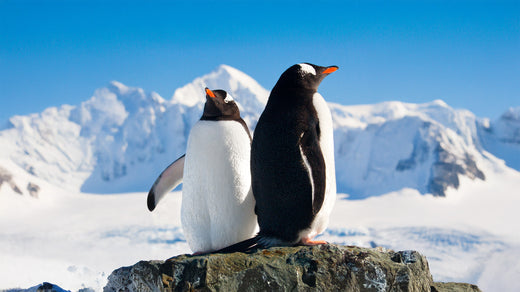
- Population Control: They feed on penguins, fish, squid, and even other seals, helping maintain species diversity and ecological balance.
- Scavenger Function: Leopard seals also feed on carrion and dead animals, helping clean the environment and recycle nutrients.
- Food Web Stability: Their presence regulates prey populations, which indirectly benefits species like krill and the entire Antarctic food web.
- Indicator Species: Because of their position at the top of the food chain, changes in leopard seal behavior or health often signal larger shifts in the ecosystem.

Where Are Leopard Seals Found?
Leopard seals inhabit the cold waters surrounding Antarctica, but their range expands during the winter months.
- Antarctic Pack Ice: This is their primary habitat, where they haul out to rest and breed.
- Sub-Antarctic Islands: In colder seasons, some travel north to islands or even temperate coastlines.
- Open Ocean: Leopard seals are strong, solitary swimmers that can travel long distances in search of food.
They rely on sea ice not just for resting and birthing, but also as a hunting platform—especially for ambushing unsuspecting penguins.

Why Leopard Seals Matter to Humans
While we may never see one in the wild, leopard seals still hold meaning and value for people across the globe:
- Ecological Research: Studying their diet, behavior, and migration helps scientists understand how climate change is altering the Antarctic.
- Ocean Health Indicators: Their health reflects the state of the entire Southern Ocean ecosystem, including krill populations and sea ice health.
- Cultural Symbolism: In polar stories and nature documentaries, leopard seals represent the wild, untamed spirit of the Antarctic.
- Scientific Curiosity: As apex predators, they help us better understand predator-prey dynamics and life in extreme environments.

What Threatens Leopard Seals?
Leopard seals are not currently endangered, but they face growing risks tied to human impact.
- Climate Change: Melting sea ice is the greatest threat to leopard seals, reducing their hunting grounds and breeding areas.
- Food Availability: As warming oceans impact krill and fish populations, leopard seals may struggle to find enough food.
- Pollution: Plastic and chemical pollutants travel even to remote polar regions, entering food chains and potentially affecting seal health.
- Shipping Traffic: Increased human activity and shipping routes through polar regions raise the risk of noise pollution, habitat disruption, and accidents.

Conservation Efforts
Protecting leopard seals means protecting the entire Southern Ocean and that effort is underway on many fronts.
- Polar Marine Reserves: Creating and enforcing protected areas around Antarctica helps safeguard feeding and breeding grounds.
- Climate Action: Global efforts to reduce emissions are critical to preserving the sea ice that leopard seals—and countless other species—depend on.
- Responsible Tourism: Regulating cruise ships and research stations in the Antarctic minimizes stress on wildlife and ecosystems.
- Scientific Monitoring: Satellite tagging, acoustic tracking, and long-term observation programs help scientists understand leopard seal populations and trends.
- International Agreements: Treaties like the Antarctic Treaty System and CCAMLR (Convention for the Conservation of Antarctic Marine Living Resources) promote cooperation in protecting polar ecosystems.

A Call to Action
Leopard seals are powerful symbols of life at the edge of the world, resilient, mysterious, and deeply tied to the fate of the frozen seas they call home.
Their survival depends on our willingness to protect the oceans, limit carbon emissions, and preserve the icy habitats that sustain life in the Antarctic.
By supporting polar conservation, cutting down on plastic use, and advocating for climate solutions, each of us can help ensure that these incredible animals continue to rule the ice with strength, grace, and purpose.
Let’s keep their world wild and ours connected to it.
We’re always on the lookout for incredible stories from our community! Pitch yours to our team at
Bracelet of the Month:
2025 Leopard Seal Bracelet
Pull 1 Pound of Trash From The Ocean With Our Limited Edition 2025 Leopard Seal Bracelet. Only Available December 2025!
Shop Now - Clean the Ocean