7 MIN READ
09-01-2025
Octopus: The Mastermind of the Deep
Henry Bliss, 4ocean Story Producer
Intelligent, Elusive, and Full of Surprises
The octopus is one of the ocean’s most fascinating and mysterious inhabitants. With their shapeshifting bodies, problem-solving minds, and unmatched camouflage skills, octopuses seem almost alien. In fact, some scientists call them the most intelligent invertebrates on Earth.
In this Creature of the Month feature, we dive into the strange and brilliant world of the octopus: how they live, what they offer to marine ecosystems, the threats they face, and the growing movement to protect them and their fragile habitats.


Bracelet of the Month:
2025 Octopus Bracelet
Pull 1 Pound of Trash From The Ocean With Our Limited Edition 2025 Octopus Bracelet. Only Available September 2025!
Shop Now - Clean the OceanWhat Is an Octopus?
Octopuses are soft-bodied, eight-armed mollusks belonging to the class Cephalopoda, which also includes squid, cuttlefish, and nautiluses. There are over 300 known species of octopus, ranging from the tiny thumbnail-sized octopus wolfi to the giant Pacific octopus, which can weigh over 100 pounds.
Unlike most animals, octopuses have no bones, allowing them to squeeze into impossibly tight spaces. They also have three hearts, blue blood, and the ability to regenerate lost limbs.

What Do Octopuses Provide?
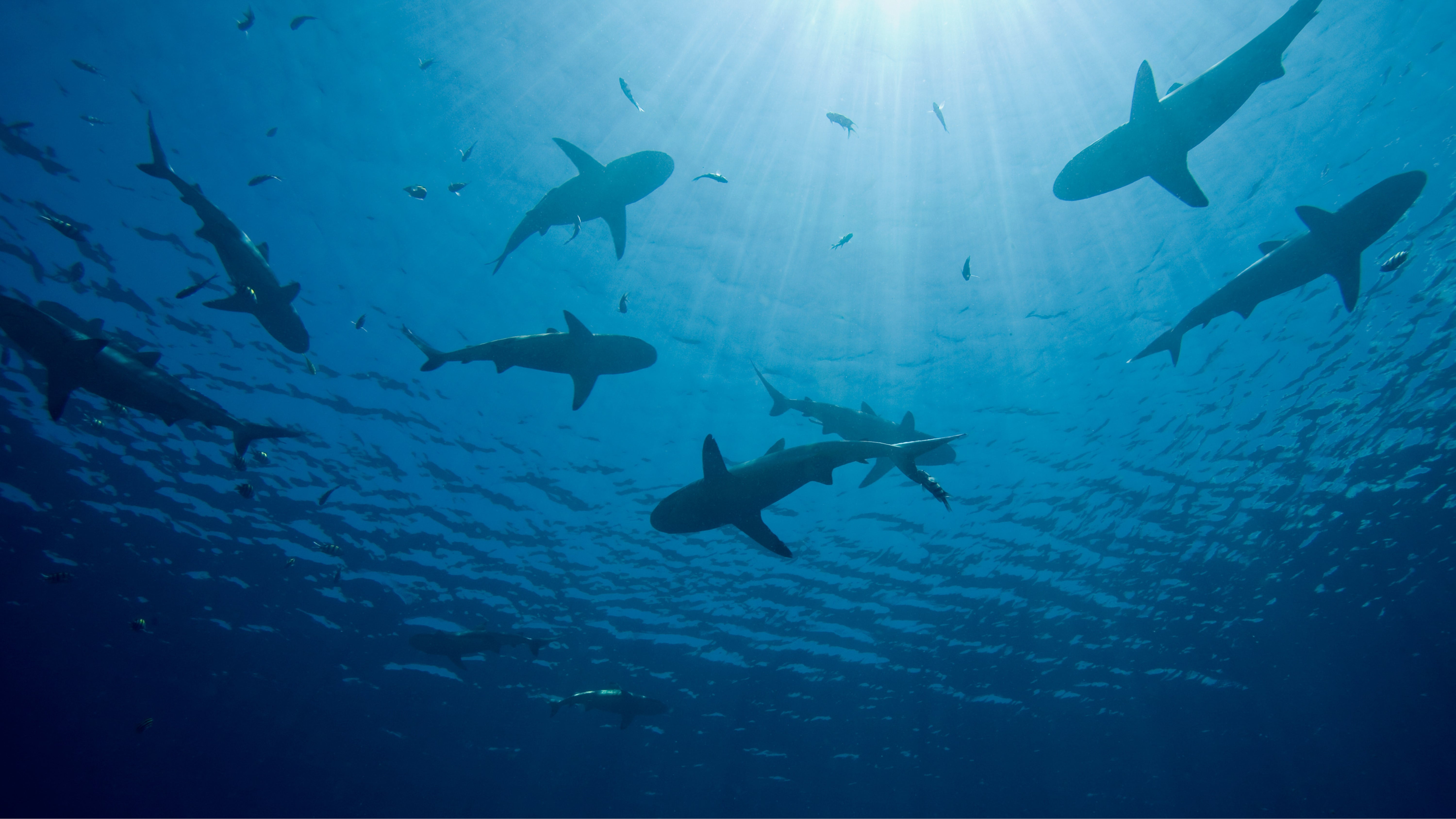
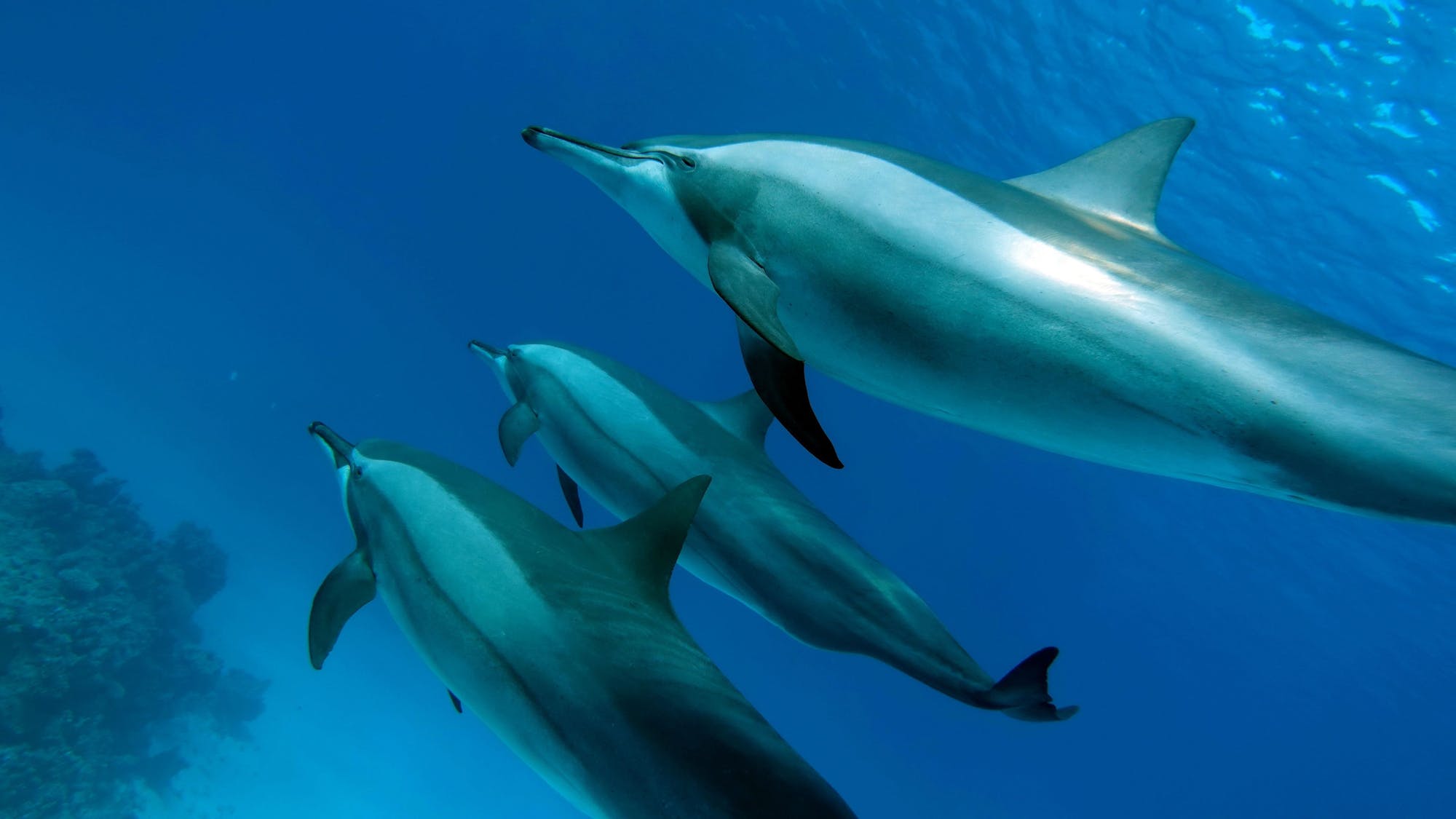
Predator-Prey Balance: Octopuses feed on crabs, fish, and mollusks while serving as prey for sharks, dolphins, and larger fish. This keeps the marine food web in check.
Habitat Engineers: Some octopuses create dens or use discarded shells, contributing to microhabitats for other sea life.
Scientific Insight: Their intelligence, memory, and adaptability make them key to research in neuroscience, robotics, and behavior.
Biodiversity Support: A healthy octopus population often signals a thriving reef or seafloor ecosystem.

Where Are Octopuses Found?
Tide Pools and Rocky Shores: Home to small, quick-adapting species that can camouflage instantly.
Coral Reefs and Seagrass Beds: Octopuses thrive in these complex ecosystems rich in prey and hiding spots.
Deep Ocean Floors: Mysterious deep-sea species are still being discovered in remote, dark waters.
Octopuses are solitary by nature, and many species are nocturnal, which makes them elusive despite being widespread.

Why Octopuses Matter to Humans
Scientific Discovery: Octopuses help us understand the evolution of intelligence, nervous systems, and even consciousness.
Medical Potential: Their unique proteins and regenerative properties are being studied for new medical treatments.
Cultural Significance: Octopuses appear in mythology and folklore across the globe—often as symbols of mystery, transformation, or resilience.
Inspiration and Innovation: From camouflage technology to flexible robotics, octopus anatomy is shaping the future of design.

What Threatens Octopuses?
Habitat Destruction: Coral reef damage, seafloor trawling, and coastal development reduce critical octopus habitats.
Pollution: Oil spills, chemical runoff, and plastic debris can harm or kill octopuses and the creatures they depend on for food.
Climate Change: Some species are targeted for commercial seafood markets, while others are caught as bycatch.
Overfishing: Waterproof and densely packed for warmth.
Marine Noise: Increased underwater noise from boats and industry may impact cephalopod communication and behavior.

Conservation Efforts
Marine Protected Areas: Safeguarding coral reefs, rocky shores, and seagrass beds helps protect octopus habitat and prey.
Sustainable Fishing Practices: Limiting destructive fishing gear and setting catch regulations helps octopus populations recover.
Pollution Control and Cleanups: Reducing plastic, toxins, and debris in the ocean improves water quality and safety for octopuses.
Scientific Research: Ongoing studies into octopus behavior, reproduction, and migration inform better policies and protections.
Public Awareness: As people learn more about octopus intelligence and vulnerability, support for their protection is growing globally.

The octopus is more than just a curious creature of the deep; it’s a vital part of the ocean’s balance and a symbol of nature’s endless creativity.
Protecting octopuses means preserving the rich diversity of life underwater, as well as the mysterious and magical spaces they call home.
Whether it’s cutting down on plastic, supporting marine research, or choosing sustainable seafood, your everyday actions can help ensure that these incredible animals continue to thrive in oceans around the world.
Let’s make sure the oceans remain a place where intelligence, adaptability, and wonder can flourish.
We’re always on the lookout for incredible stories from our community! Pitch yours to our team at
Bracelet of the Month:
2025 Octopus Bracelet
Pull 1 Pound of Trash From The Ocean With Our Limited Edition 2025 Octopus Bracelet. Only Available September 2025!
Shop Now - Clean the Ocean