5 MIN READ
08-19-2025
A Sky Full of Kites, A Beach Free of Trash
Ahmad Fasta, 4ocean Indonesia Content Correspondent
That morning, the Medewi Beach team arrived with one shared mission: to keep the coastline clean. From afar, the beach looked stunning with its rolling waves, but closer inspection revealed another reality—plastic bottles, glass, cloth, and most alarming of all, large tangled fishing nets abandoned along the rocks. These nets posed a serious threat, as they could easily entangle marine life or turn into ghost nets drifting offshore.
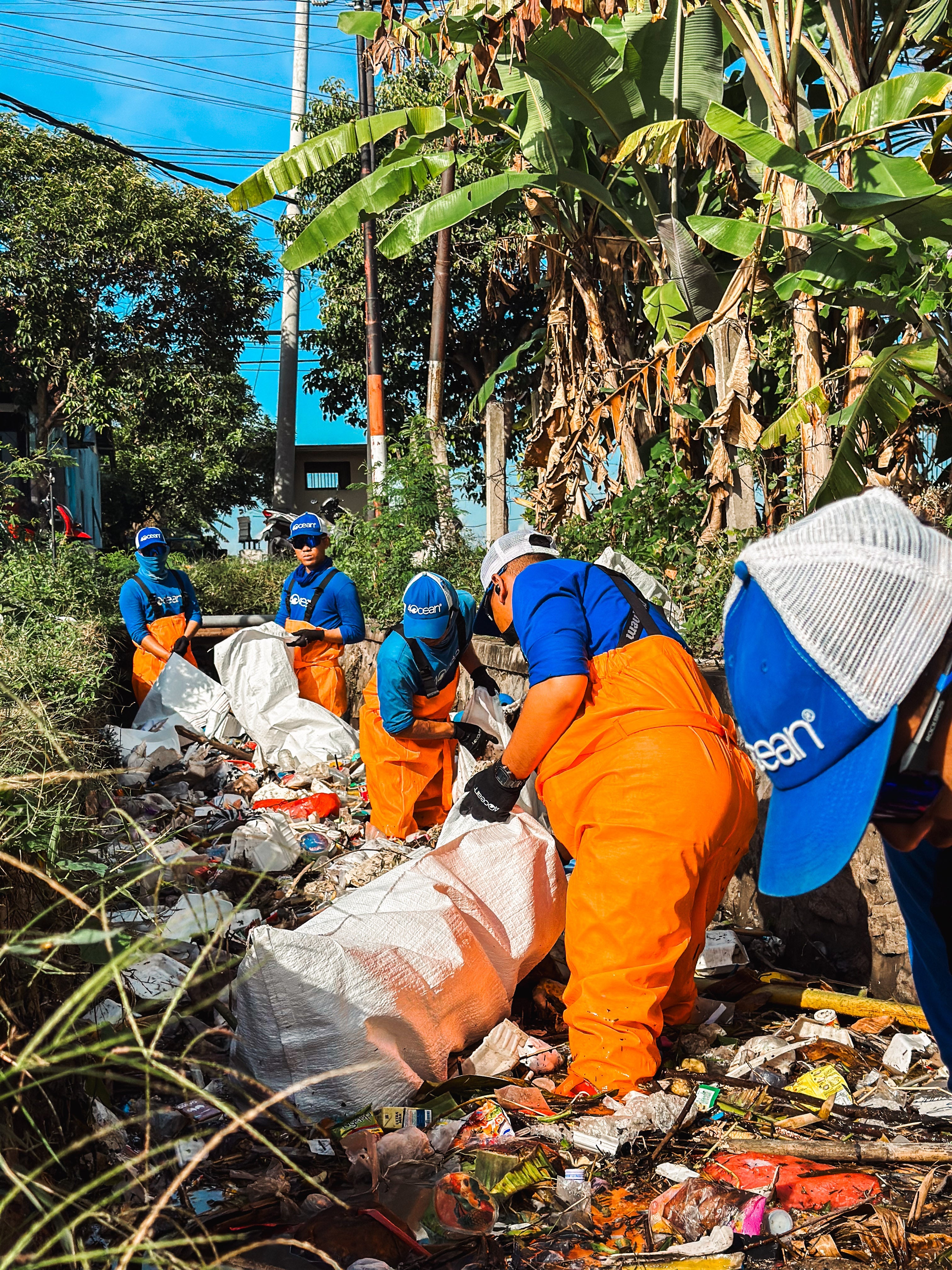
The team’s first step was to confirm with local fishermen that the nets were no longer in use. Once assured, they launched into action. Pulling the nets free was grueling—some were jammed between slippery rocks, others half-buried in the sand. Bit by bit, through patience and teamwork, the crew managed to haul them ashore. Alongside the nets, sacks filled quickly with bottles, cans, cloth, and wooden debris. Despite the foul odor and heavy loads, laughter and jokes kept spirits high until piles of waste stood as evidence of progress.


In the afternoon, the scene shifted. Locals arrived with colorful kites for the annual festival—children with simple designs, teenagers with bold patterns, and elders carrying giant, intricate creations. As the breeze picked up, the Medewi sky became a living painting of dragons, birds, and playful shapes. The joy of the festival, unfolding on a freshly cleaned beach, felt like the perfect reward for the team’s hard work.
The day closed with kites silhouetted against the orange sky, a reminder that caring for the environment makes room for culture, tradition, and joy to thrive together.


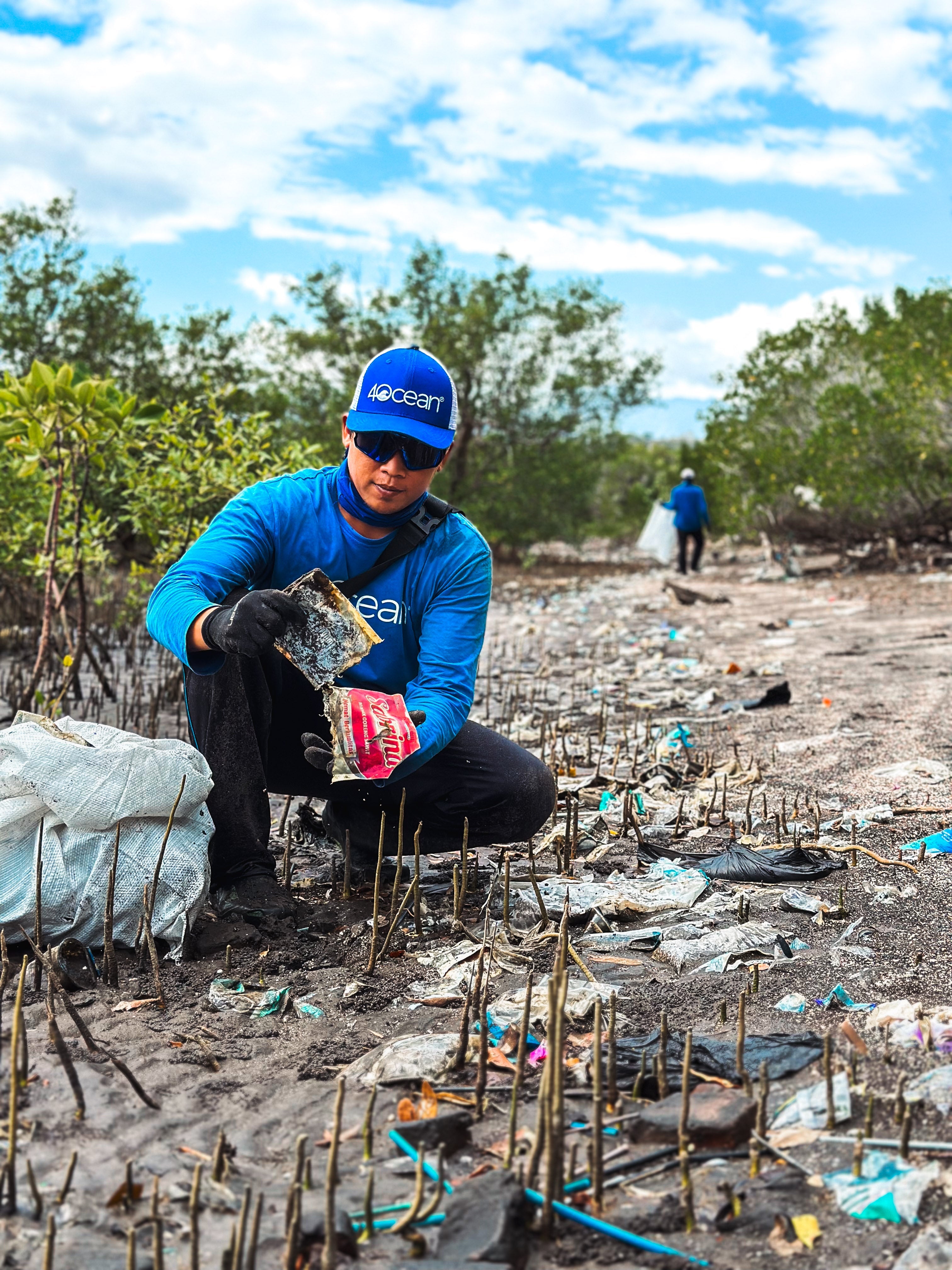
The cleanup removed a total of 1,886.07 lbs of waste from Medewi Beach. Among the most significant findings were several large, damaged fishing nets. If left behind, these could have turned into ghost nets, drifting offshore and threatening marine life. Alongside the nets, the team collected hundreds of plastic bottles, shopping bags, and fragments of various sizes, underscoring the high use of single-use plastics in the area. Glass bottles and cans were also recovered—items that not only pollute the environment but also pose a real safety hazard for beachgoers. Added to this were muddy pieces of cloth and wooden debris, which, while less obvious, can smother small ecosystems when lodged around rocks.
The transformation was undeniable. Where trash once cluttered the shoreline, the sand now looked clean, the rocks stood uncovered, and the atmosphere felt instantly more welcoming for the community and visitors alike.
“For us, cleaning Medewi wasn’t just about removing trash, but about protecting our shared living space. Seeing kids run and families gather for the kite festival on a clean beach made every ounce of effort worthwhile.”
The cleanup was not without obstacles. Large Ghost Nets proved the toughest challenge, lodged firmly between rocks and buried under sand, requiring coordinated pulling from multiple directions. Waste mixed with mud and seawater added unexpected weight, making the sacks harder to carry. On top of this, the scorching weather tested the team’s stamina. Yet, through persistence, coordination, and good humor, every challenge was met and overcome.
Medewi Beach is not only a popular surf destination but also a vital site for local fishing. This makes it highly vulnerable to pollution, both from nearby communities and from currents carrying debris ashore. Discarded fishing nets are particularly dangerous, as they continue to threaten marine life long after being abandoned.
This cleanup was especially meaningful as it coincided with the local kite festival, highlighting the deep link between environmental action and cultural life. A clean beach provided a safe, festive space for the community to gather, proving once again that protecting ecosystems benefits both nature and people.