5 MIN READ
08-20-2025
From Riverbanks to Beaches: GAP in Action Against Plastic Pollution
Dika, 4ocean Indonesia Content Correspondent
The fight against plastic pollution is complex. Waste travels from inland communities into rivers, flows downstream, and eventually reaches the ocean. Tackling the problem requires more than one approach, which is why, with the support of Growth Acceleration Partners (GAP), 4ocean crews are working on three fronts: removing trash from rivers, intercepting it with riverbooms, and cleaning it from beaches before it can be swept back to sea.
Holding the Line with Riverbooms
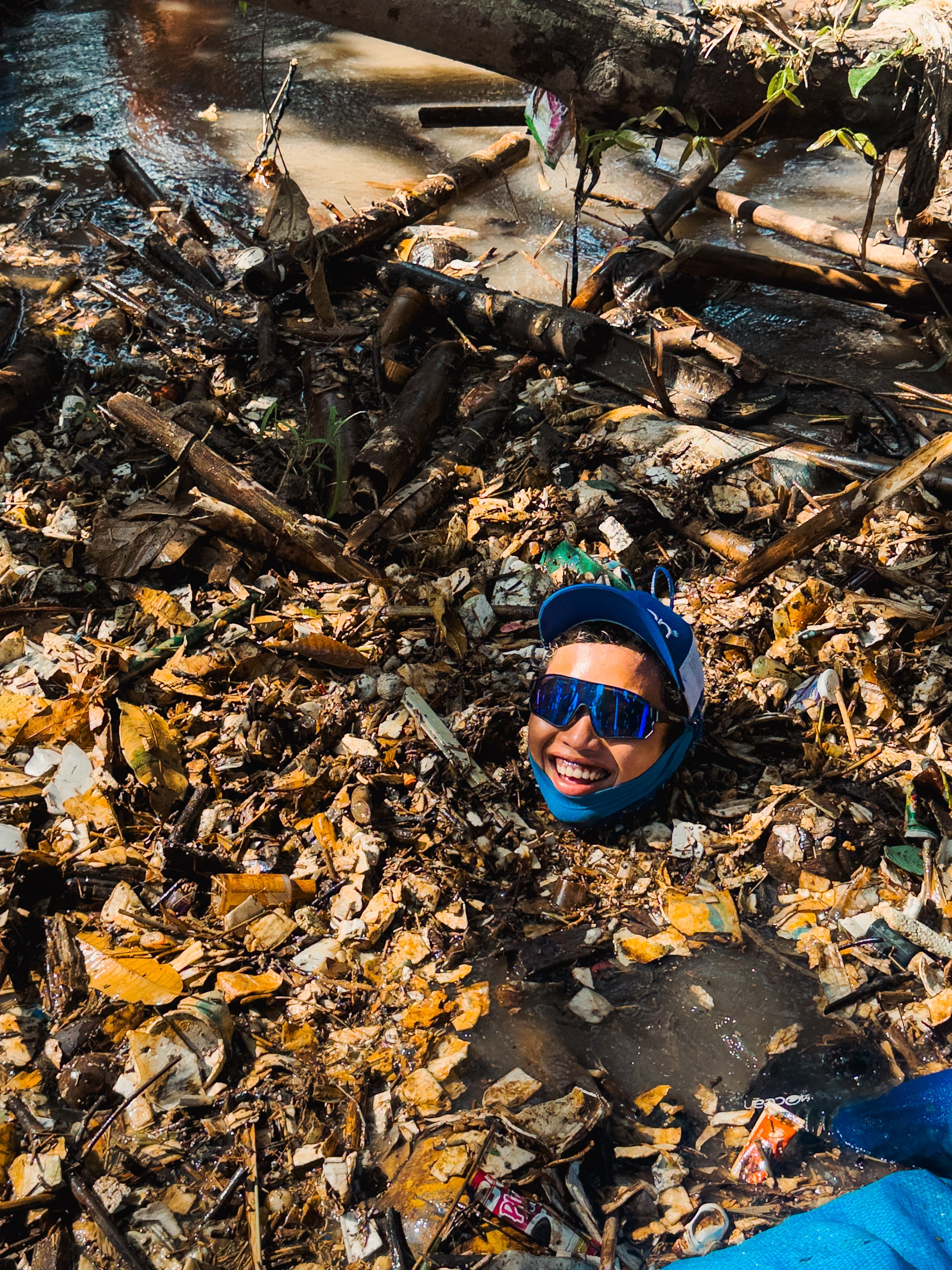
Each morning, the Riverboom Team launches from their warehouse, heading out to check barriers installed beneath bridges and along waterways. These floating nets may look simple, but they are a critical last line of defense before waste escapes into the open ocean.
On a recent operation, the crew pulled up 1,438 pounds of waste in just one day, everything from plastic bags and sachets to large jugs and fabric scraps tangled deep in the mesh. It’s exhausting work under the midday sun, but it’s also routine. “The river doesn’t rest, and neither do we,” one crew member shared.
Supported by GAP, these daily checks ensure the barriers continue to work, keeping vital fishing grounds and coastal ecosystems safe from the constant tide of pollution.


Clearing the Shoreline at Muncar Beach


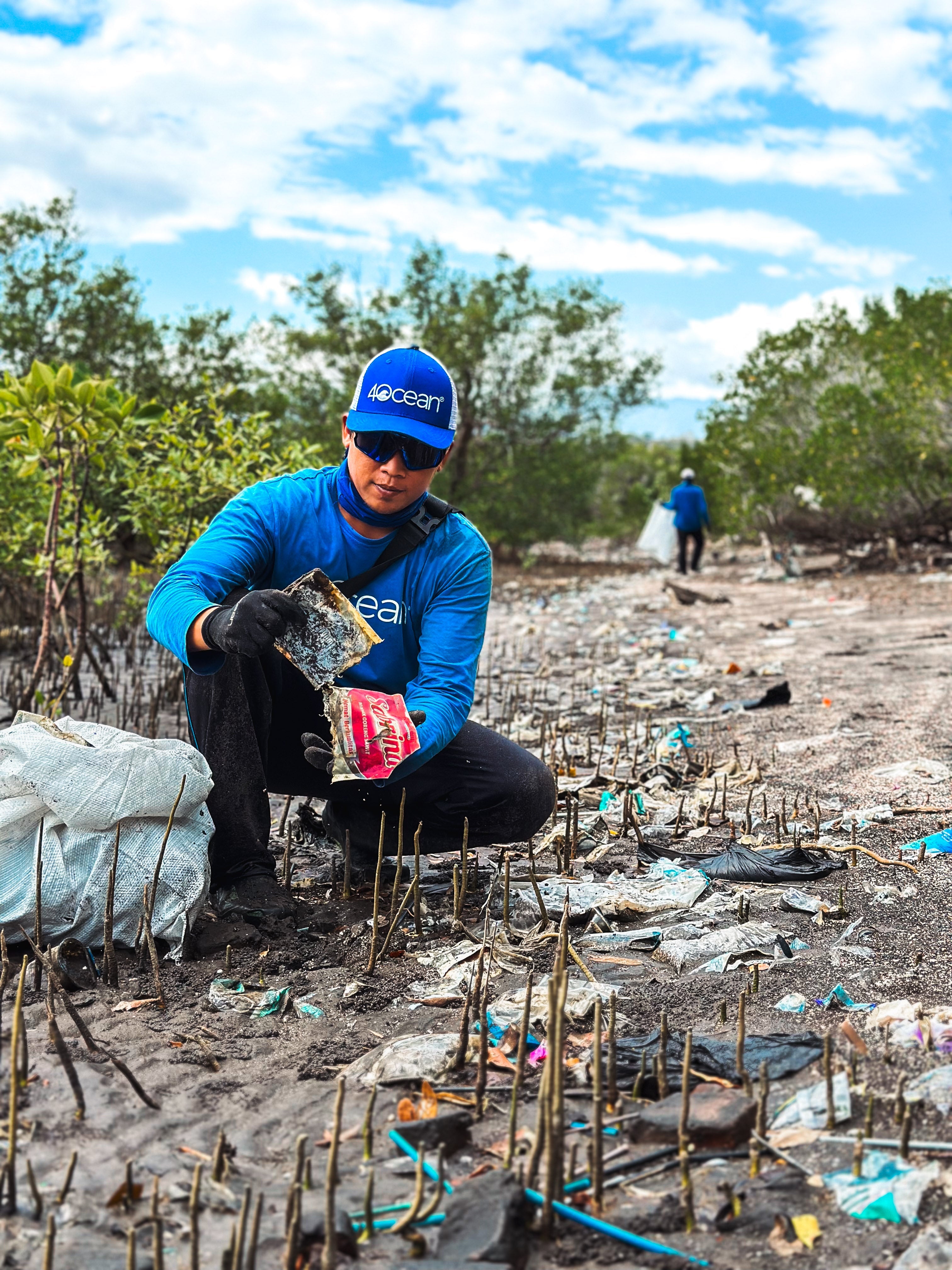
While riverbooms stop waste in transit, much of it still washes ashore. At Muncar Beach in Banyuwangi, two full cleanup teams, 14 crew members in all, spread out along the shoreline with rakes, sacks, and gloves. They dug plastic bottles, food wrappers, and styrofoam fragments from the sand, filling sack after sack under the heat of the day.
By the end, they had collected 923 pounds of trash across 50 sacks, hauling the load to a central weighing station. The work wasn’t easy, with some waste was buried under fish scales, while old nets and ropes were snarled in the tide line. Yet the teams pressed forward, motivated by the knowledge that protecting this coastline also protects the fishing community that depends on it.
As crew member Abi Amanda Putra reflected, “Protecting beaches from plastic waste pollution is one of our missions. We will continue to work with great enthusiasm to protect all forms of life from the ongoing pollution caused by plastic waste.”
Restoring the Bajulan River
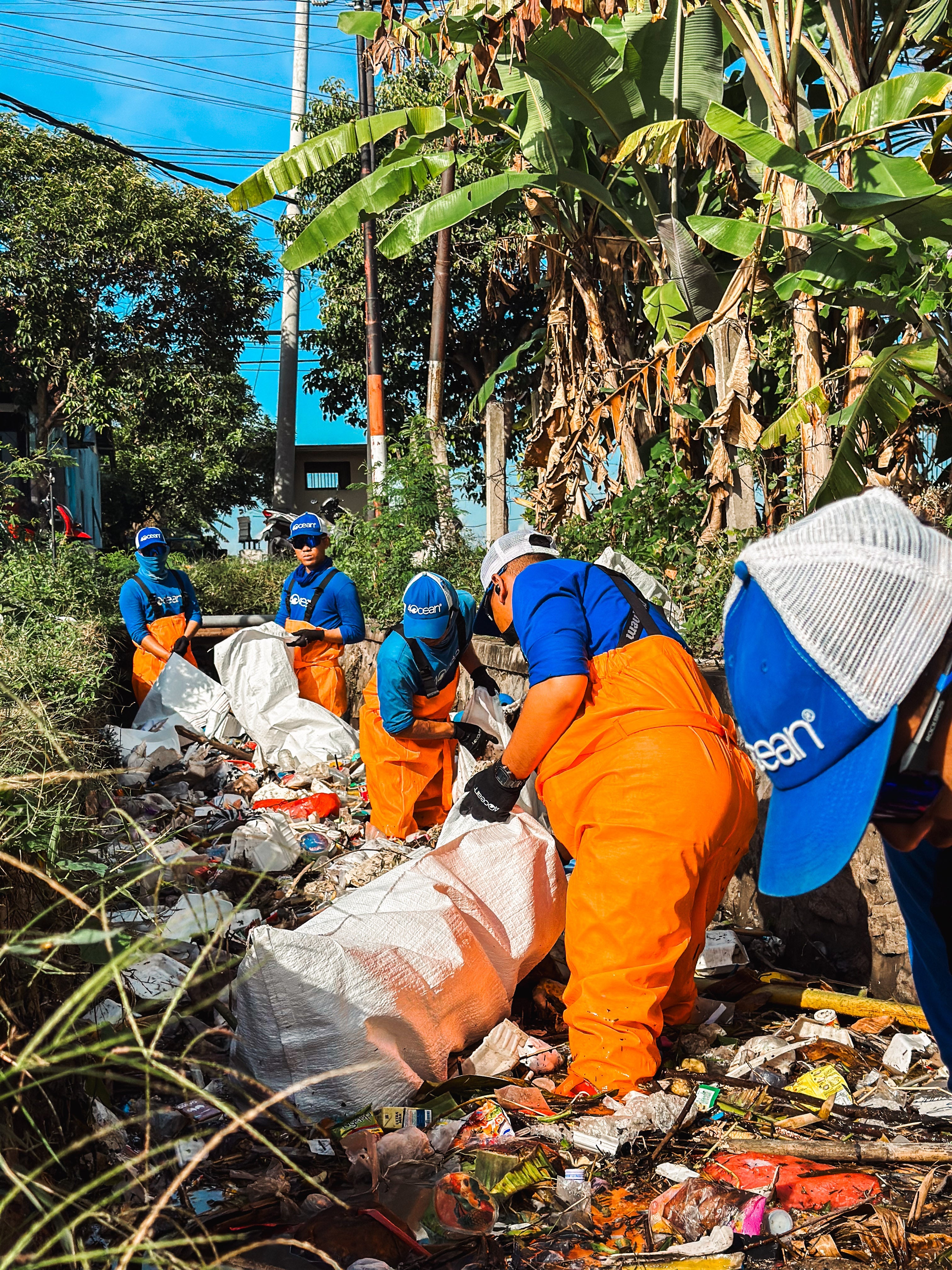
Upriver, in Banyuwangi’s Bajulan River, another team tackled pollution caught in bamboo clusters and rocky banks. To maximize efficiency, the crew split into two groups, covering both the northern and southern stretches.
The work was slow and careful, with plastic waste wedged deep between rocks or snagged in tree branches required patience and teamwork to remove. By day’s end, they had filled 32 sacks totaling 1,236 pounds of trash, including plastics, mixed waste, and non-plastic debris.
For the team, this effort was about more than just numbers. “Cleaning the river is not just about physical work, but also a symbol of hope and a shared responsibility,” said crew member Adi Prasetyo. His words echo the reality that every sack lifted not only clears the water but also inspires the community to rethink its relationship with waste.


Why It Matters
From rivers and riverbooms to beaches, each cleanup method addresses a different stage of the plastic pollution crisis. Together, they form a comprehensive strategy, catching waste at multiple points before it can harm marine life, fisheries, and coastal communities.


With GAP’s support, these cleanups are not just one-off events but part of a sustained, daily mission. Each barrier checked, each sack filled, and each stretch of shoreline cleared is a step toward healthier ecosystems and cleaner oceans.
Plastic pollution is relentless. But thanks to GAP’s partnership, so are we.