5 MIN READ
04-27-2026
Inside the Company That Removed Over 50 Million Pounds of Trash From the Ocean
Cathleen P. Montano
A plastic bottle can travel farther than most people imagine.
It may begin on a sidewalk after a storm, slide into a drain, move through a canal, and enter a river before it ever reaches the sea. A food wrapper, a bottle cap, a piece of fishing line, or a broken foam container can follow the same path. Once plastic enters moving water, rain, tides, wind, and currents become its transportation system.
By the time that waste reaches the ocean, it is no longer just litter. It becomes a threat to marine life, coastal communities, fisheries, tourism, and the health of the water systems people depend on every day.
This is the crisis 4ocean was built to confront.
Since 2017, 4ocean has actively removed more than 50 million pounds of plastic, trash, and debris from oceans, rivers, and coastlines globally. That number is remarkable, but the deeper story is what made it possible: full-time cleanup crews, documented impact, global operations, brand partnerships, and millions of people who turned a simple 4ocean bracelet into measurable ocean plastic removal.
In a world crowded with vague sustainability claims, 4ocean’s work stands out because it is physical, visible, and verified. Trash is collected. Pounds are weighed. Cleanup locations are documented. Impact is tracked.
It is not just a promise. It is a system.
From Bali to a Global Cleanup Movement
4ocean began in Bali, Indonesia, where founders Alex Schulze and Andrew Cooper saw beaches and waterways overwhelmed by plastic pollution. The problem was not distant or theoretical. It was right in front of them.
Instead of asking who should fix it, they asked a more practical question: how could cleanup be funded every day?
That question became 4ocean, a Public Benefit Corporation built around a for-profit-for-purpose model. This matters because plastic pollution is not a once-a-year problem. It flows through waterways every day, which means cleanup needs to be consistent, funded, and operational at scale.
4ocean’s model uses product sales, cleanup partnerships, and corporate programs to fund ocean plastic removal. The most recognizable symbol of that model is the 4ocean bracelet. Each bracelet helps fund the removal of one pound of trash from oceans, rivers, and coastlines.
The bracelet is simple by design. It gives people a visible way to participate in something that can otherwise feel too large to touch. Each bracelet helps fund the removal of one pound of trash from oceans, rivers, and coastlines, creating a simple formula: one bracelet, one pound, and one measurable action.
A bracelet alone will not solve plastic pollution. But as part of a larger cleanup system, it helps turn everyday consumer action into verified impact.
Verified Impact, One Pound at a Time
Fifty million pounds is difficult to picture. But the work behind it is easy to understand.
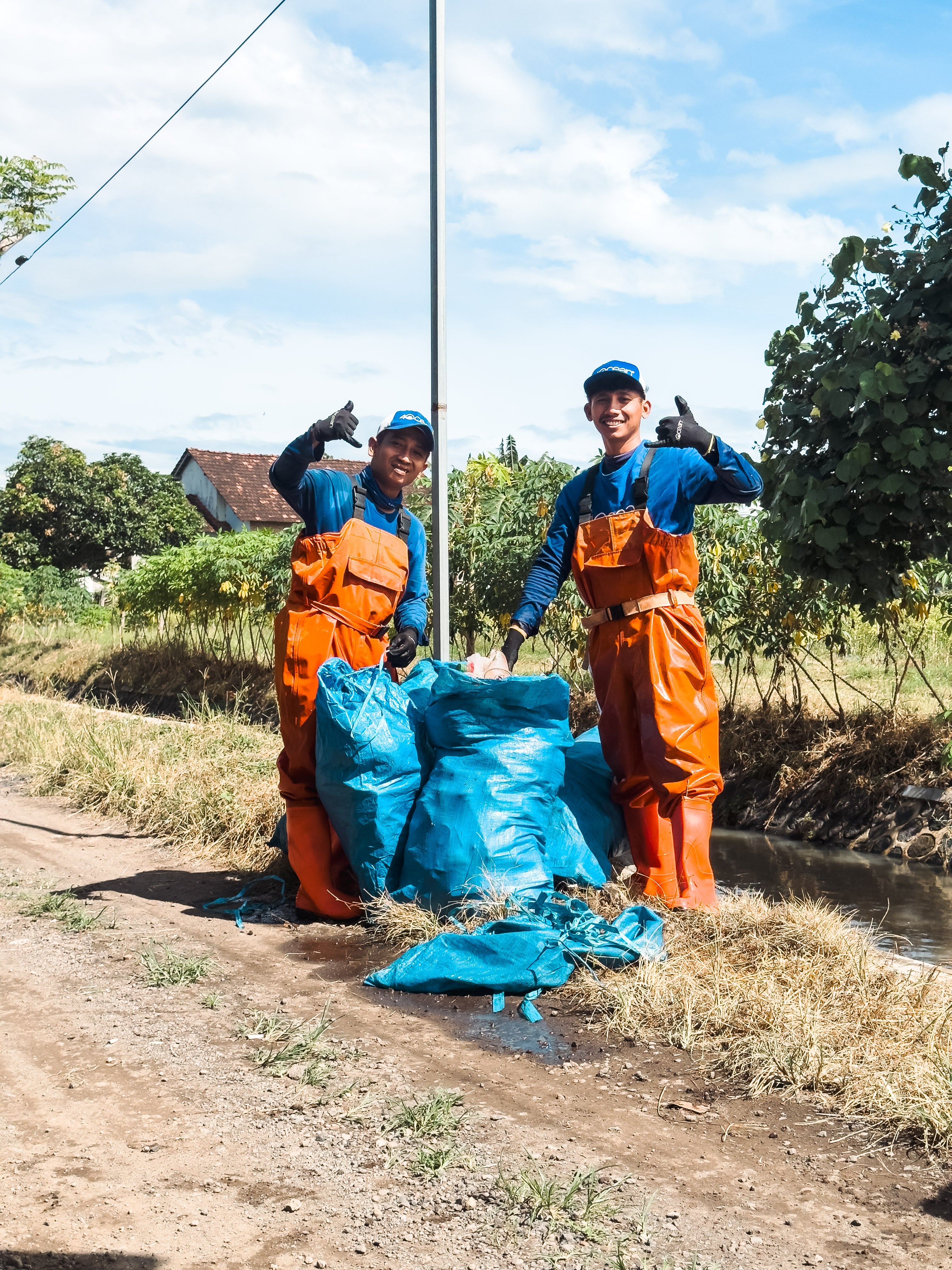
A pound might be a handful of plastic bottles, a tangled fishing line, a piece of rope, a broken sandal, or a clump of foam pulled from mangrove roots. One pound becomes one bin. One bin becomes one boatload. One boatload becomes a cleanup day. Thousands of cleanup days become a global operation.
That is why verified impact is central to 4ocean’s credibility.
In sustainability, numbers only matter if people can trust them. 4ocean’s cleanup process is built around documentation: crews collect debris, weigh recovered materials, record cleanup activity, and report the impact. This helps customers, partners, and communities understand what was removed and how the work was done.
The work itself is not easy. Ocean plastic is often degraded, dirty, tangled, and mixed with other waste. Some materials can be recycled or repurposed. Others must be responsibly disposed of. Cleanup does not end when trash leaves the water. That is when sorting, transport, documentation, and processing begin.
This operational side is what many people never see. Ocean cleanup is not just a beautiful beach photo. It is logistics. It is labor. It is boats, crews, scales, bags, bins, tides, routes, safety checks, and long days in difficult conditions.
That is what makes 4ocean’s 50 million pound milestone meaningful. It represents repeated, documented action over time.
Why Cleanup Starts Before Plastic Reaches the Open Ocean
One of the most important truths about plastic pollution is that the best time to remove it is before it spreads.
Once plastic reaches the open ocean, it becomes harder to collect. Sunlight, saltwater, and waves break larger plastic into smaller fragments. Over time, those fragments can become microplastics, which are much harder to remove and more easily ingested by marine life.
That is why 4ocean cleanup efforts focus not only on beaches and ocean environments, but also on rivers, canals, coastlines, mangroves, harbors, and other high-impact areas where waste collects before moving farther offshore.
These places are not always glamorous, but they matter. A mangrove root system can trap plastic before the tide pulls it out. A river interception site can stop debris before it reaches the sea. A coastline cleanup can prevent trash from being buried, scattered, or broken down into smaller pieces.
This is what practical plastic pollution solutions look like: find where plastic is concentrated, remove it while it is still recoverable, document the work, and keep going.
Partnerships That Help Scale Ocean Cleanup
4ocean’s impact has grown not only through individual customers, but also through partnerships with companies looking for credible, measurable sustainability action.
Major brands including Corona, GoodPop, HP Inc., SC Johnson, Kitsch, Sea-Doo, U.S. Polo Assn., Chomps, Accenture, and others have worked with 4ocean through cleanup partnerships, plastic neutrality programs, product-linked impact, and corporate gifting.
These 4ocean partnerships matter because consumers are no longer satisfied with vague environmental language. People want proof. They want to know what was removed, where it was removed, and how impact was verified.
For sustainable brands, 4ocean offers a way to connect environmental commitments to real-world cleanup. A company can fund the removal of plastic tied to product sales, offset part of its plastic footprint, create co-branded bracelets for customers or employees, or support cleanup as part of a broader sustainability strategy.
This is where the for-profit-for-purpose model becomes powerful. Business becomes a funding engine for cleanup. Products become participation. Partnerships become scale.
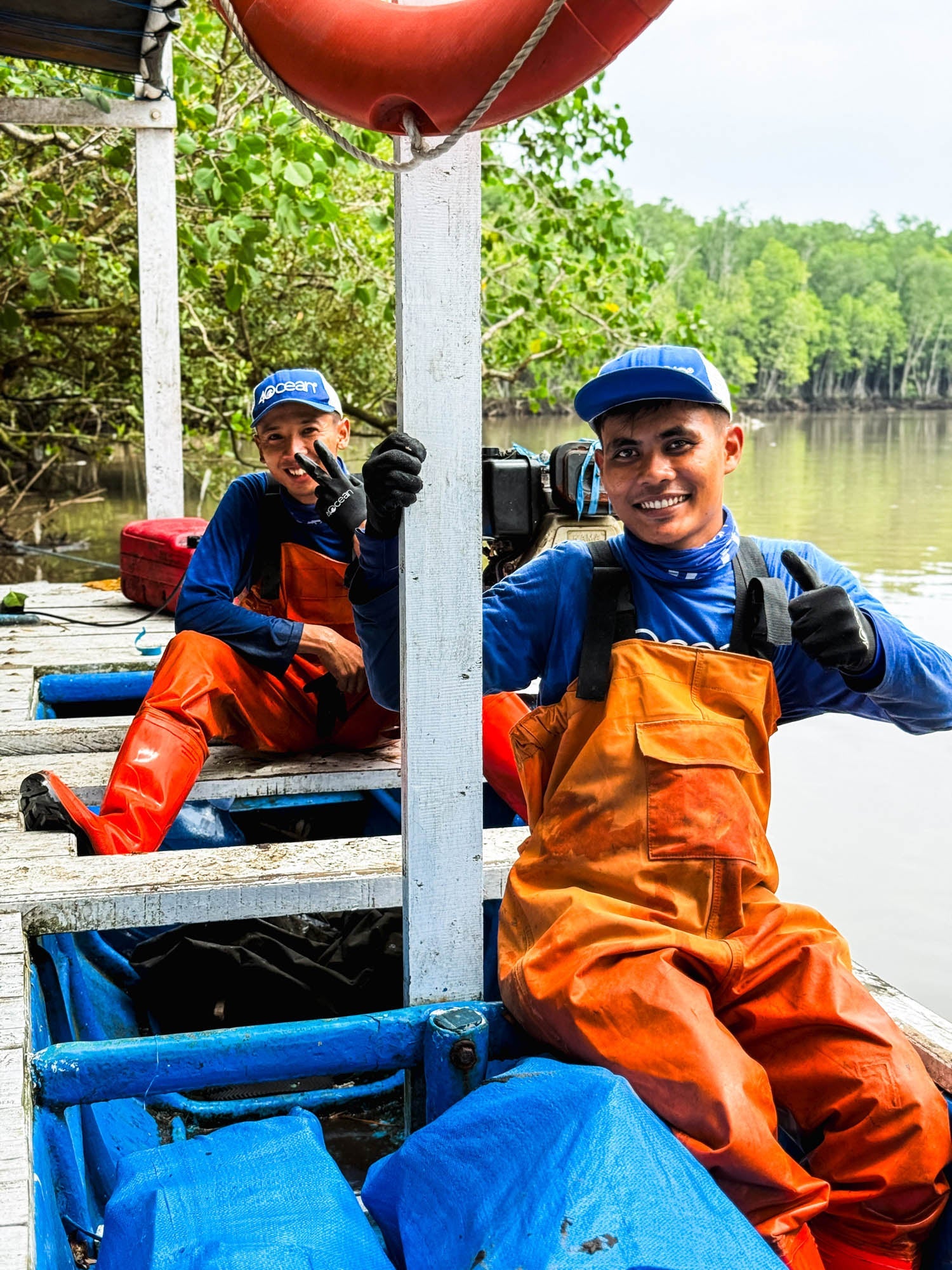
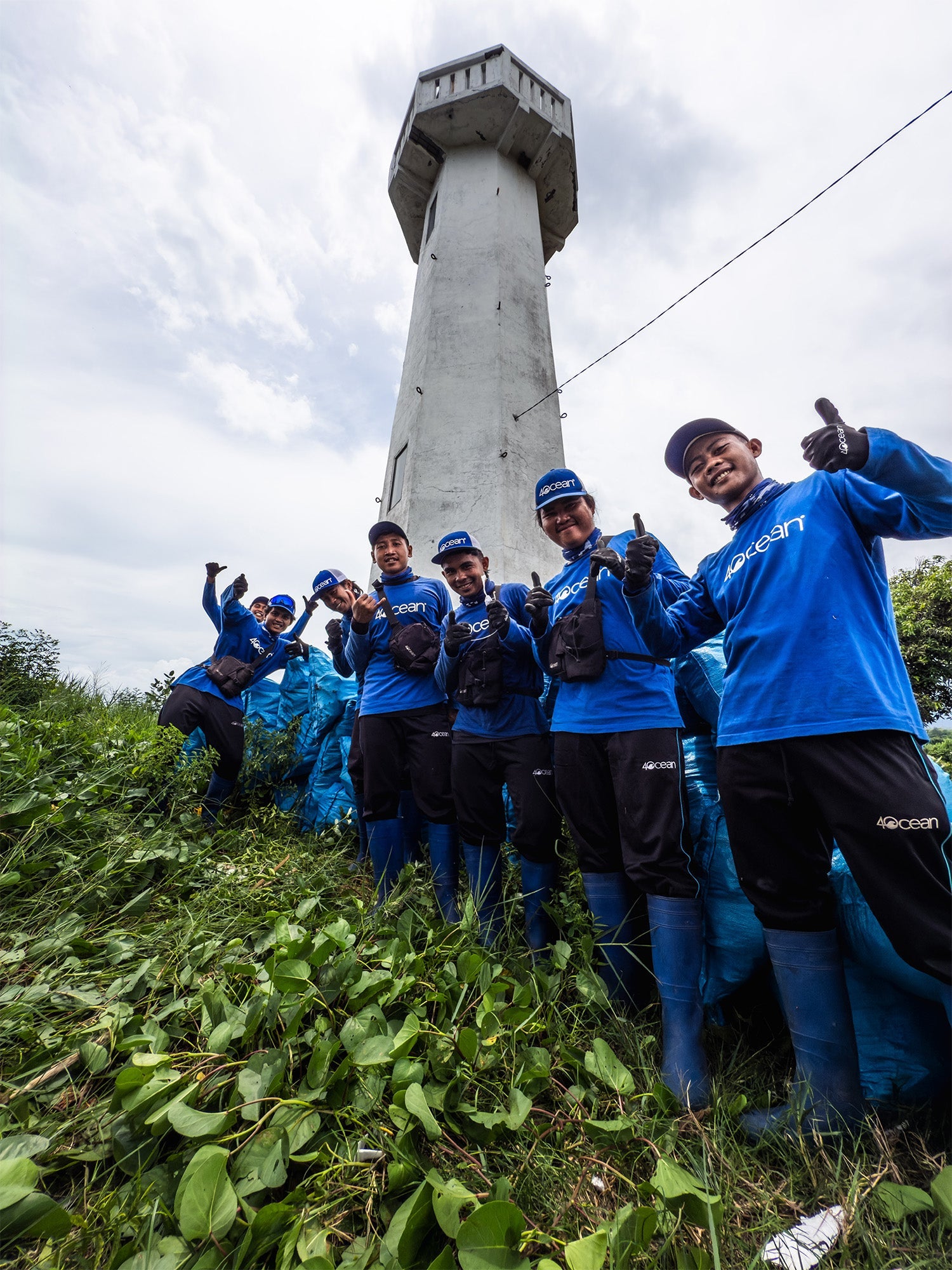
The Crew Behind Ocean Plastic Removal
Behind every pound removed is a person doing the work.
A crew member pulling debris from a riverbank. A captain steering a boat through a polluted waterway. A team sorting trash after hours in the heat. A coastal community watching a shoreline become cleaner.
Plastic pollution is an environmental issue, but it is also a human one. It affects the places where people fish, swim, work, travel, and raise families. It impacts tourism, local livelihoods, public spaces, and community pride.
That is why 4ocean’s work goes beyond the number on a scale. The company’s cleanup operations support jobs, strengthen coastal resilience, and give communities visible proof that polluted places can be restored.
For customers, the connection is personal. Wearing a 4ocean bracelet is a reminder that small actions can be tied to measurable outcomes. It is not just a symbol of caring about the ocean. It is a symbol of participating in cleanup.
For crew members, the work is far less symbolic. It is a daily action against a global problem, one pound at a time.
A Clear 4ocean Review: What the Company Actually Does
For anyone searching for an honest 4ocean review, the most important question is simple: does 4ocean remove real trash from real waterways?
The answer is yes.
Since 2017, 4ocean has removed more than 50 million pounds of plastic, trash, and debris from oceans, rivers, and coastlines. It has built cleanup operations, created jobs, documented impact, and partnered with major brands to fund scalable ocean plastic removal.
That does not mean cleanup alone will solve the plastic crisis. Ultimately, the world still needs better waste management systems, reduced single-use plastics, and stronger recycling infrastructure alongside increased policy change and corporate accountability.
But while those systems evolve, plastic continues to move through rivers, drains, canals, beaches, and coastlines every day.
Someone still has to remove what is already there.
That is where 4ocean plays a clear and necessary role.
What Comes Next
The 50 million pound milestone is not the finish line. It is proof that ocean cleanup can be organized, funded, verified, and scaled.
The next chapter will require more crews, more river interception, more responsible brands, more plastic reduction, and more customers choosing products tied to real impact.
For consumers, the call is simple: join the movement. Choose the bracelet. Fund the cleanup. Share the story.
For businesses, the opportunity is bigger: build partnerships that create measurable environmental impact and move beyond sustainability claims into verified action.
4ocean has shown that a company can do more than talk about plastic pollution. It can put crews in the field, build cleanup systems, document the results, and remove millions of pounds of trash from the places that need it most.
Because a cleaner ocean is not built on hope alone. It is built through action, accountability, and one pound removed at a time.