5 MIN READ
03-21-2026
Pancur Beach Cleanup Supported by Coral Club
Dika, 4ocean Jembrana Content Correspondent
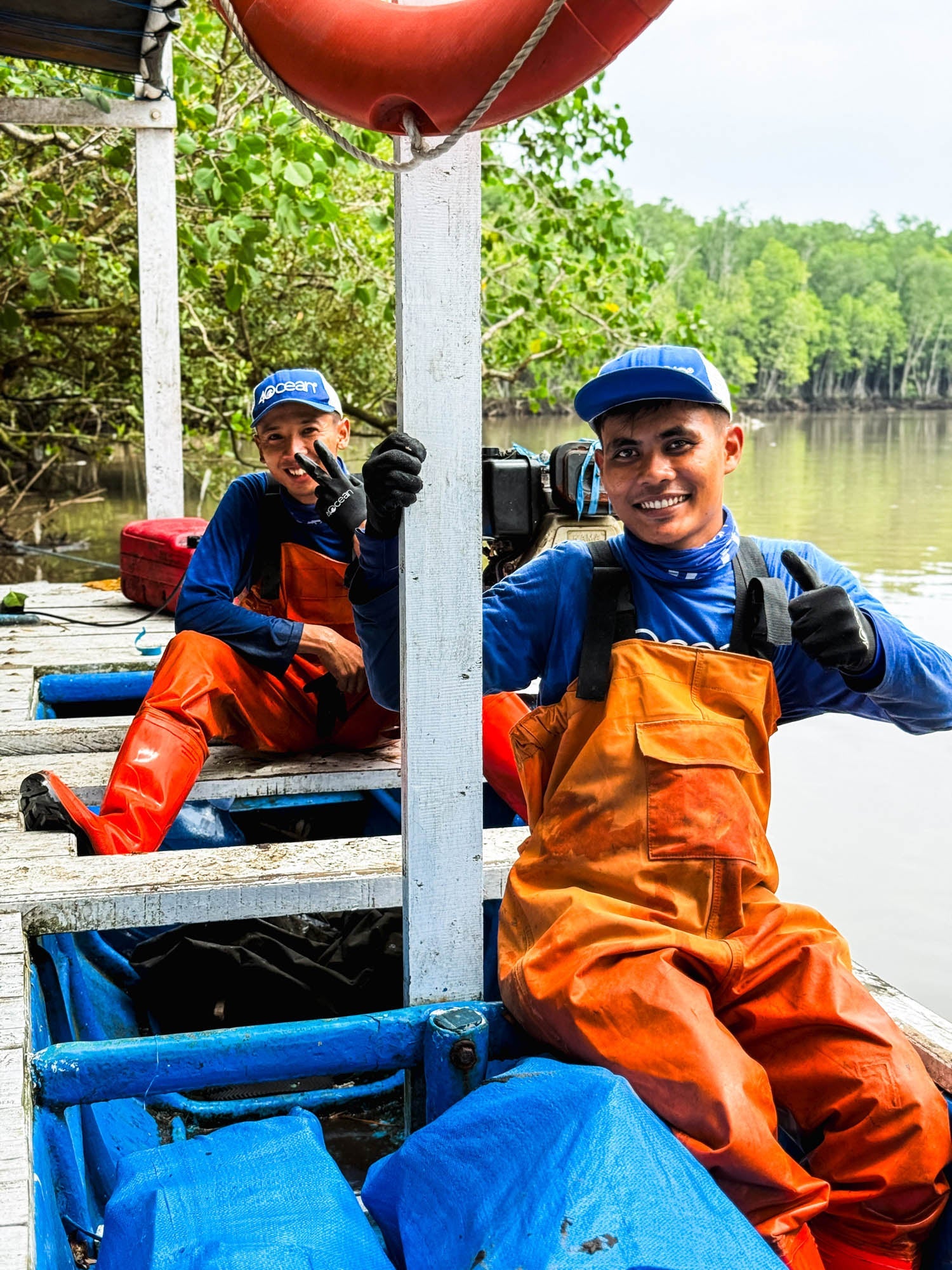
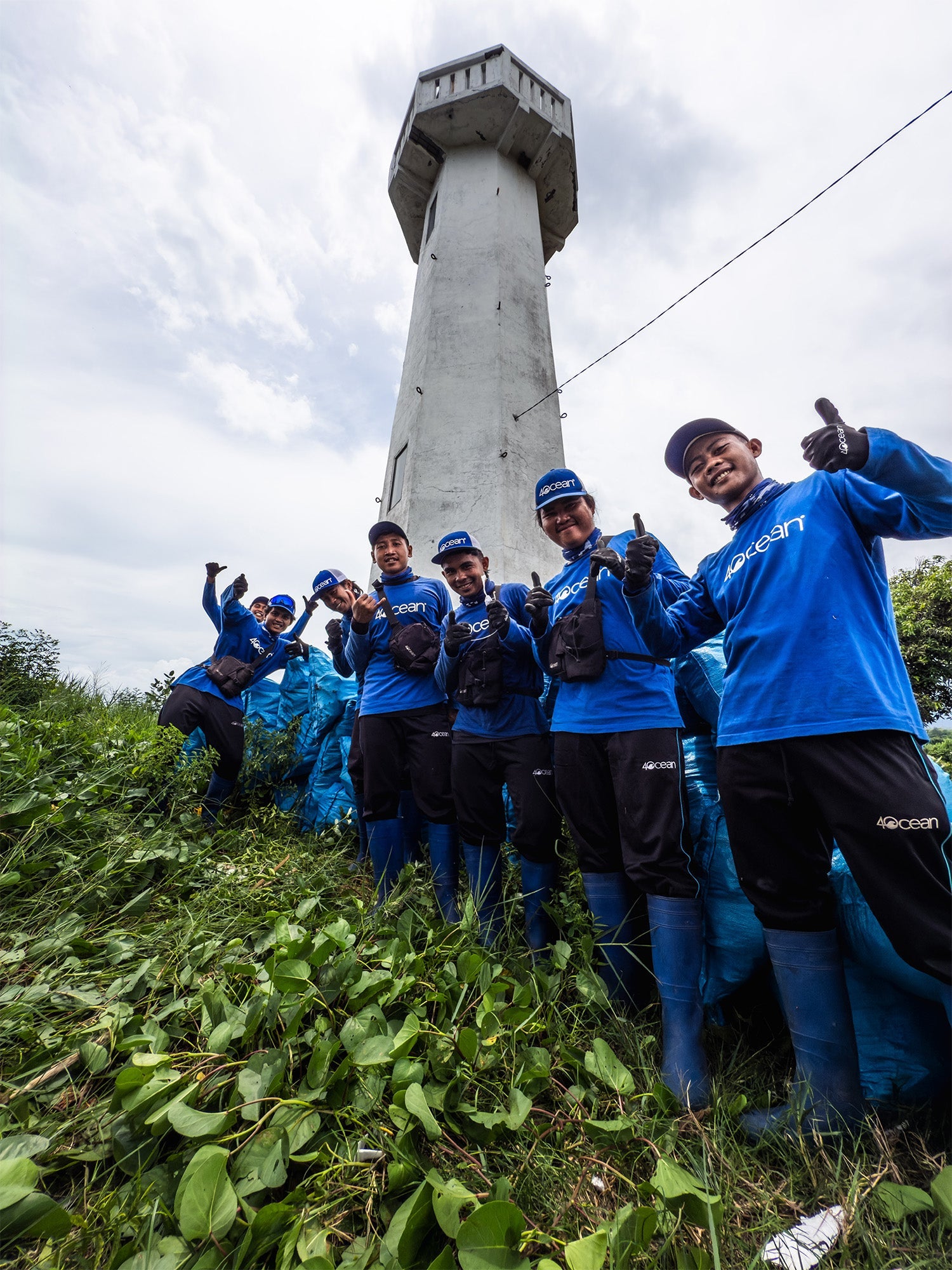
On March 2, 2026, Beach Teams 1 and 2 together with River Teams 1 and 2 carried out a large scale cleanup at Pancur Beach in Alas Purwo National Park with the support of our partner Coral Club. The collaboration brought together multiple crews working across both river and coastal environments, highlighting how interconnected these ecosystems are when it comes to the movement of waste. Pancur Beach, while known for its natural beauty, had been heavily impacted by debris carried in through rivers and pushed back ashore by ocean currents during the west monsoon season.
Before heading to the site, all teams prepared their equipment at the base, including sacks, ropes, gloves, and personal protective gear. These preparations were not only for efficiency but also to ensure safety throughout the operation. Once everything was ready, the crews traveled to Pancur Beach using 4ocean pickup trucks, arriving with a shared sense of purpose despite the scale of the task ahead.


Upon arrival, the teams gathered for a briefing led by the 4ocean Java Manager, Yohan Effendi. The cleanup zones were divided among the beach and river teams to ensure coverage across the affected areas. This structured approach allowed the teams to work in coordination while addressing different sections of the shoreline and nearby zones simultaneously.
After the briefing, each team moved into their assigned areas and began the cleanup. Shortly after operations started, heavy rain and strong winds swept through the area, adding difficulty to the already demanding conditions. Even so, the crews continued their work without pause, adapting to the weather while maintaining focus on the task. The sloping terrain and wet surfaces also made movement more challenging, requiring extra caution when transporting filled sacks.


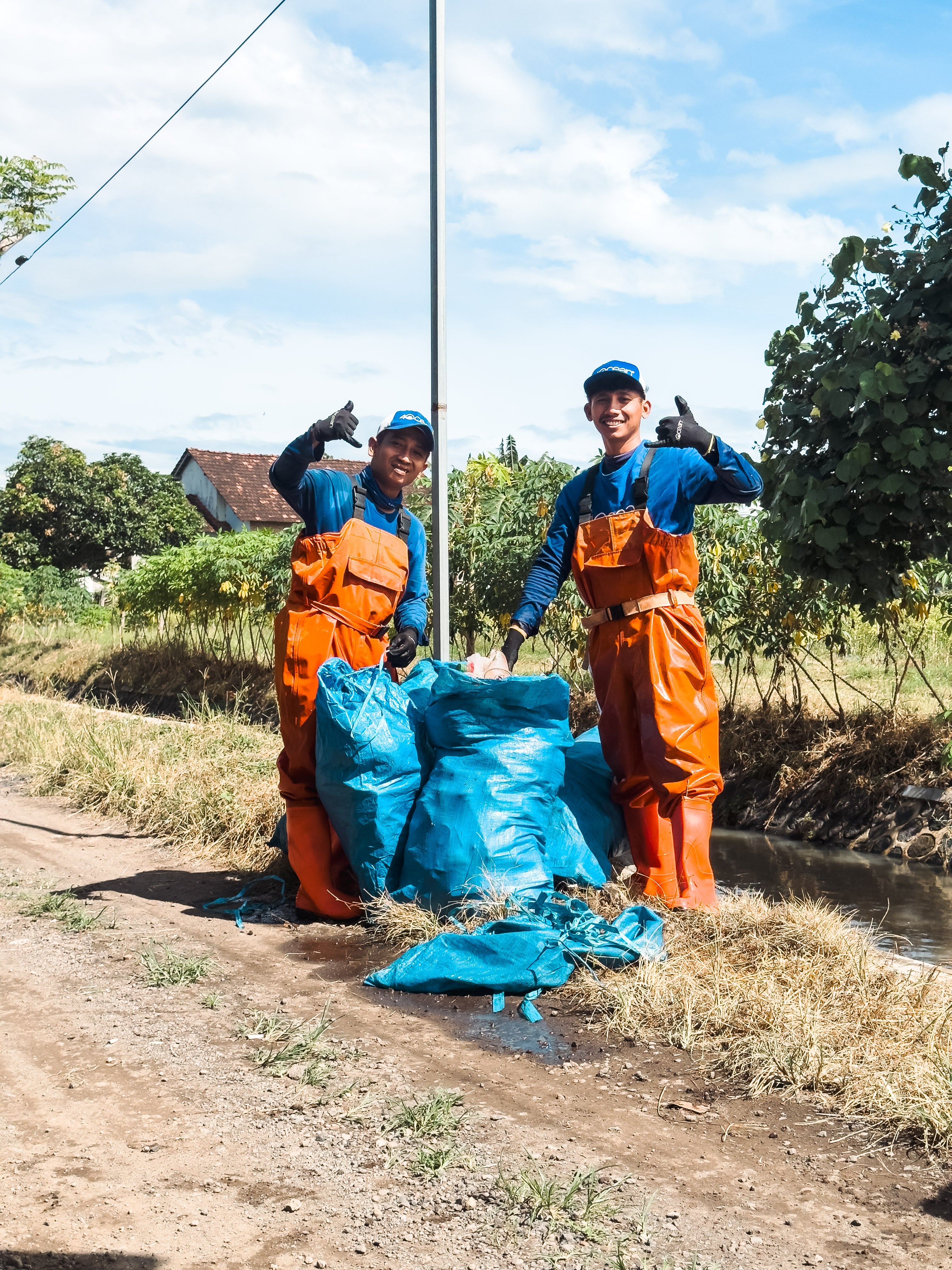
Throughout the day, teams collected a wide range of debris scattered across the shoreline. Plastic bottles, food packaging, cups, straws, foam, sandals, and other household waste were found alongside non plastic items such as shoes, hats, glass cups, paint cans, and metal objects. In total, the teams removed 4,340.6 pounds of waste across 198 sacks, consisting of 4,275.6 pounds of plastic waste in 197 sacks and 65 pounds of mixed waste in one sack. The volume of waste reflected the combined impact of river flow and ocean currents converging at the coastline.
For 4ocean Java Manager Yohan Effendi, the mission remains clear and consistent. He shared, “We, the 4ocean Java team, will never lose our spirit to continue cleaning up. We will keep striving to protect rivers and oceans along with their habitats from plastic waste. This mission is something we are committed to in order to create a clean and healthy environment that future generations can enjoy.”
The cleanup presented several challenges. A significant portion of the waste had already broken down into smaller fragments, requiring extra time and attention to collect properly. Rain and wind made conditions more difficult, while the uphill and slippery terrain added strain during the evacuation of filled sacks. Despite these obstacles, the teams maintained coordination and completed the operation as planned.
Pancur Beach often serves as the endpoint of a longer journey of waste. Materials discarded upstream are carried by rivers before eventually reaching the ocean, where tides and currents redistribute them back to shore. This cycle illustrates why both river and beach teams must work together to address pollution at multiple points in the system.
Through this joint effort, supported by Coral Club, Team 4ocean Java continues to demonstrate that meaningful environmental action requires collaboration across teams and environments. Beaches and rivers are deeply connected, and protecting them means addressing the flow of waste from its source to its final destination.