5 MIN READ
04-08-2026
Protecting Trianggulasi Beach Supported by AquaOmega
Dika, 4ocean Jembrana Content Correspondent
For the umpteenth time, the 4ocean Java Beach Team returned to the shores of Alas Purwo National Park, this time focusing on Trianggulasi Beach. Supported by AquaOmega, this cleanup revealed a troubling reality beneath the beach’s natural beauty. Known for its white sand and roaming wildlife, the shoreline is now increasingly threatened by a growing layer of microplastics scattered across its surface.
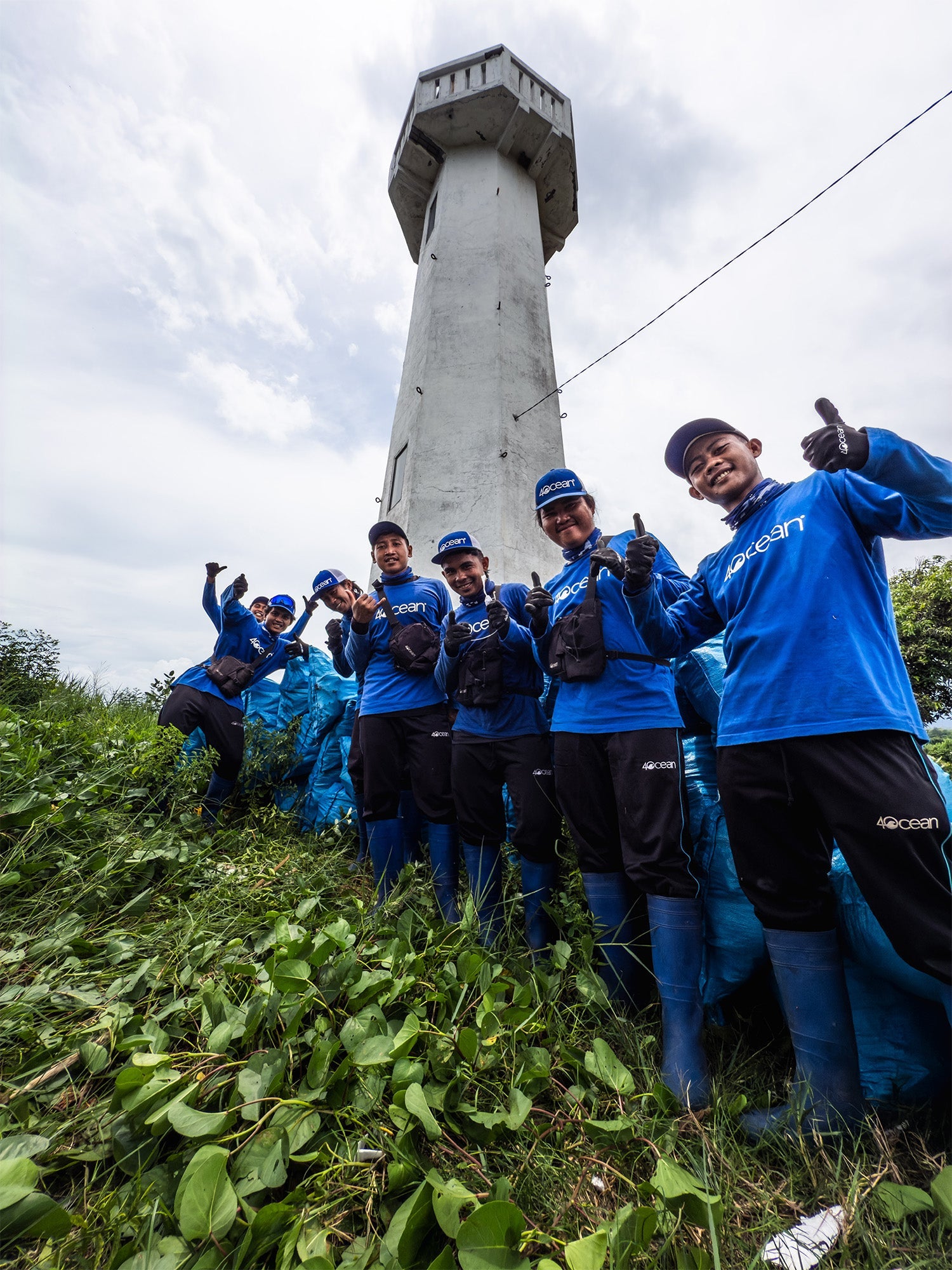
The day began early, with Beach Team 1 and Beach Team 2 preparing their equipment and coordinating under the direction of 4ocean Java Manager Yohan Efendi. With sacks, ropes, and protective gear ready, the team set out on a 55 minute journey through dense forest and open coastal roads. The landscape remained untouched and serene, offering a stark contrast to what awaited them at the shoreline.


Upon arrival, the team was met not with large debris, but something more insidious. Millions of microplastic particles were embedded in the sand, nearly invisible at first glance but impossible to ignore once work began. Unlike larger waste, these fragments required slow, methodical effort. Each step forward meant combing through sand, separating plastic from nature piece by piece.


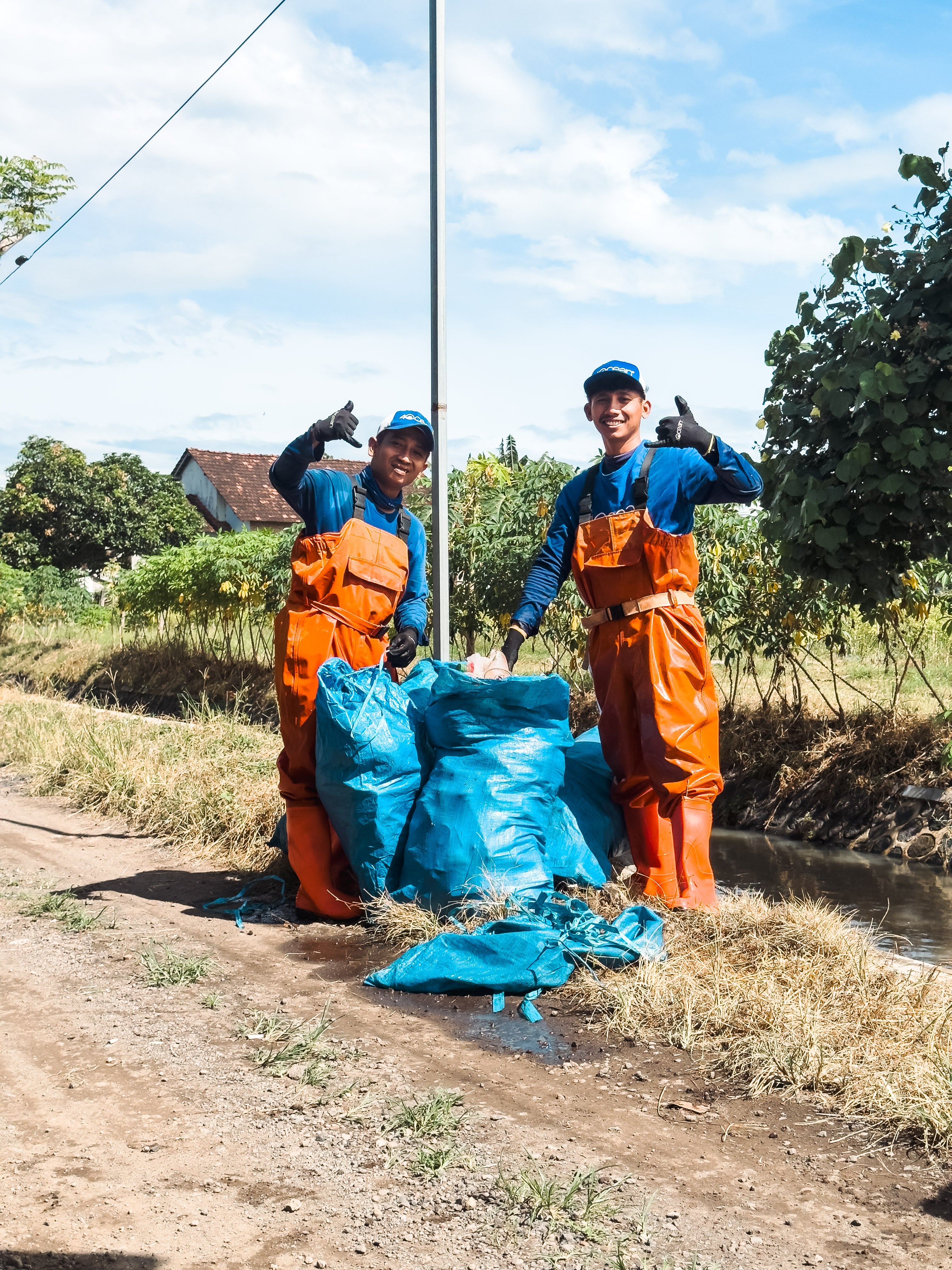
Despite the challenge, the team pressed on. Under the heat of the sun, sacks gradually filled. What seemed like small fragments quickly accumulated into something measurable, tangible. After several hours of careful work, the team collected a total of 81 sacks weighing 1,572.6 pounds, all consisting of plastic waste.
“Every microplastic particle we found today is a reminder that plastic never truly disappears,” said crew member Moh. Hasyim Muzadi. “It only breaks down into smaller pieces that become even more harmful to marine ecosystems.”
Transporting the collected waste proved to be another challenge. The weighing area was located far from the cleanup zone and could not be accessed by vehicles. Beach Team 2 worked together to carry each sack across difficult terrain, relying on coordination and endurance to complete the task.
What makes this cleanup particularly significant is not just the volume collected, but the nature of the waste itself. Microplastics are the final stage of plastic pollution. They are small enough to be ingested by marine life, entering the food chain and eventually making their way back to humans. Their presence here is a clear signal that the problem does not end when plastic disappears from sight.
Behind every sack collected is a deeper story. These particles originated from plastics used, discarded, and forgotten often far from this remote shoreline. Carried by rivers and ocean currents, they accumulate in places like Trianggulasi Beach, even within protected natural areas.

This cleanup is a reminder that protecting the ocean starts far from the coast. Reducing single use plastics, improving waste management, and making conscious daily choices all play a role in preventing this cycle from continuing.
Through consistent action, the 4ocean Java Beach Team continues to show that even the smallest pieces of waste deserve attention. Because in the end, restoring a beach is not just about removing what is visible, but addressing what is hidden beneath the surface.