5 MIN READ
04-27-2026
The Rise of Impact Merchandise: Why People Want Products That Actually Do Something
Cathleen P. Montano
Plastic pollution has become one of the clearest symbols of modern waste. It washes onto beaches, moves through rivers, threatens marine life, and reminds people that everyday consumption has consequences. For years, sustainability conversations focused on what people should avoid: single-use plastic, excess packaging, disposable products, and fast fashion. But today, a more proactive question is shaping the market: What if a product could actively fund solutions instead of just minimizing harm?
That question is driving the rise of impact merchandise.
Consumers are no longer buying only for style, convenience, or brand recognition. Many are looking for products that carry proof of action. Whether it is a bracelet that pulls trash from the sea, a frozen treat brand funding plastic neutrality, or a technology giant investing in waterway restoration, consumers want to see tangible results. These are not just marketing stories. They reflect a broader shift in how people define value.
At the center of this shift is 4ocean, a cleanup company that turned a simple bracelet into a global symbol of ocean plastic removal. The 4ocean bracelet is more than merchandise. It is a funding tool, a conversation starter, and a visible commitment to cleaner oceans, rivers, and coastlines.
Impact Merchandise Is Changing What People Expect From Brands
Branded merchandise used to be mostly about visibility. Companies printed logos on shirts, bottles, bags, pens, and giveaways because merchandise helped people remember the brand. It was useful, affordable, and easy to distribute.
That model is changing.
People still want products that are functional and well-designed, but they also want to know what those products represent. A customer wearing a bracelet, carrying a reusable bottle, or buying from a sustainable brand is often making a quiet public statement: I care about where this came from, what it supports, and what happens after I buy it.
This is why impact merchandise is growing. It democratizes environmental action, giving consumers a direct way to drive solutions without needing to navigate the complexities of waste management or environmental policy.The product becomes a bridge between awareness and action.
The best impact merchandise does three things at once. It gives the customer something tangible. It funds measurable work. It helps tell a bigger story about the problem being solved.
That is where 4ocean stands out.
4ocean Turned the Bracelet Into a Cleanup Engine
The 4ocean bracelet became recognizable because it made ocean plastic removal personal and easy to understand. The idea is simple: every bracelet helps pull plastic and trash from the ocean, rivers, and coastlines.
That clarity matters. Plastic pollution can feel overwhelming because the scale is massive. Most people know the problem exists, but they do not always know how to help beyond reducing their own waste. 4ocean created a model where one purchase directly supports cleanup work. The product is not the end of the story. It is the mechanism that helps fund the work.
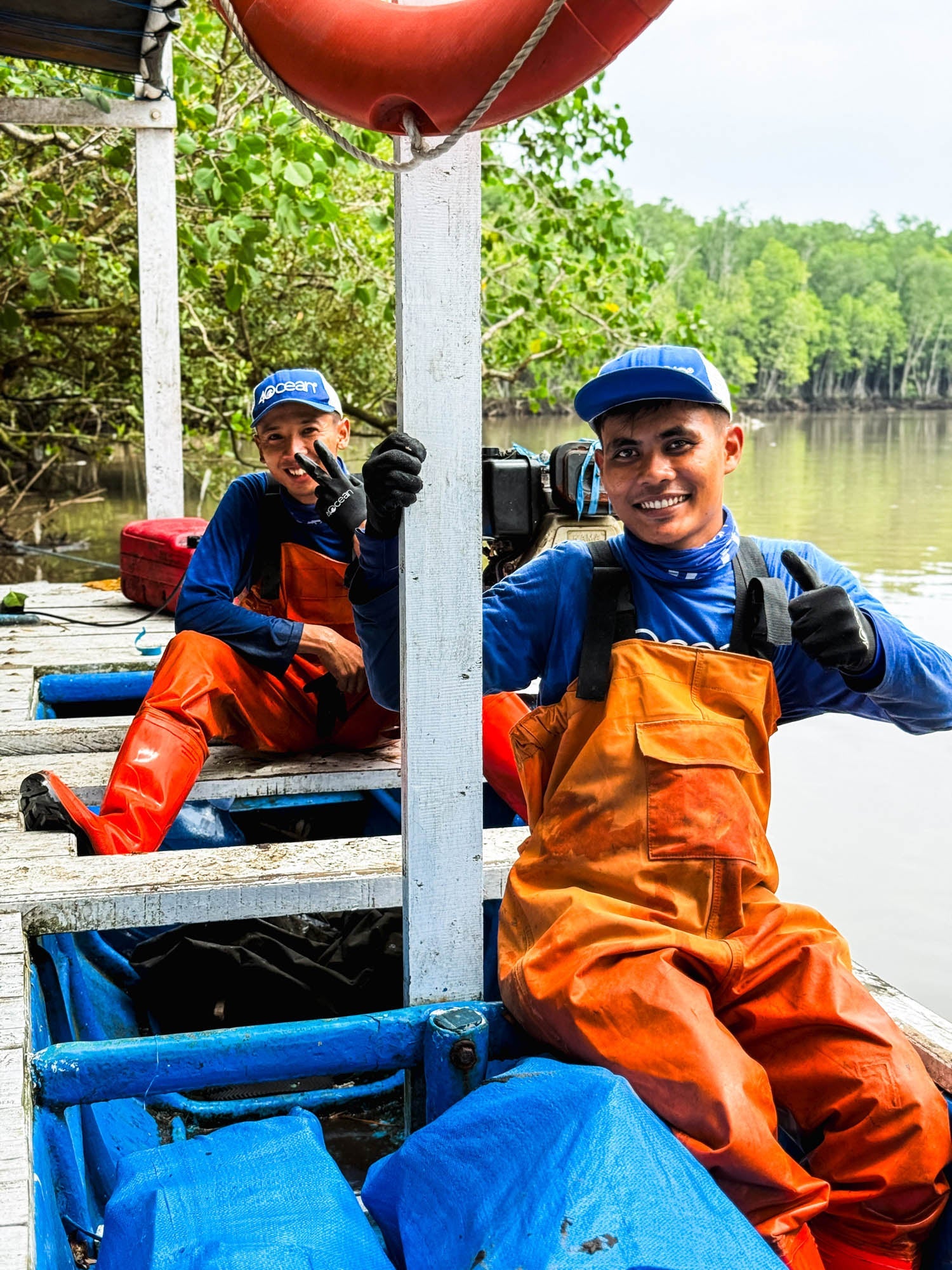
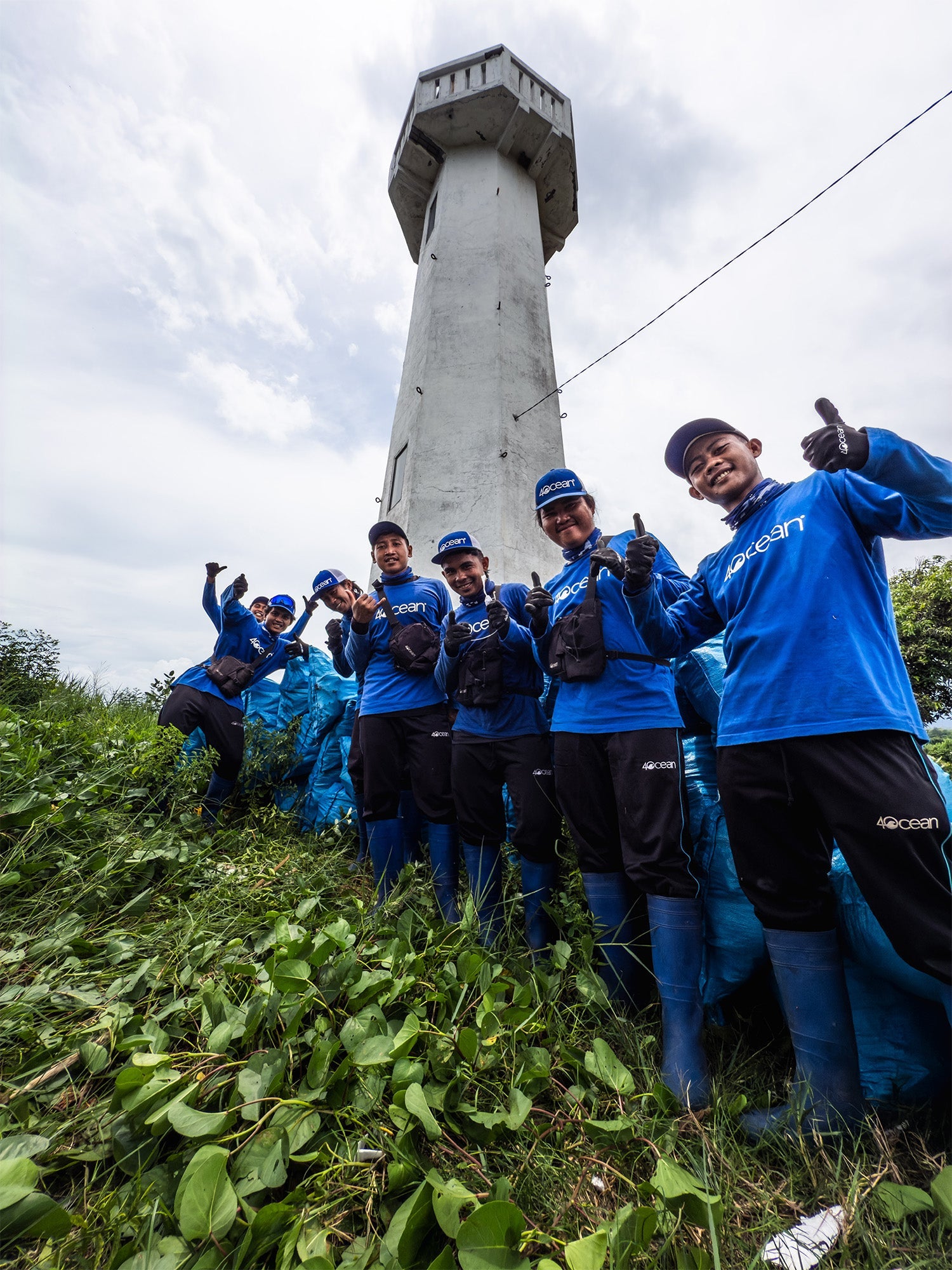
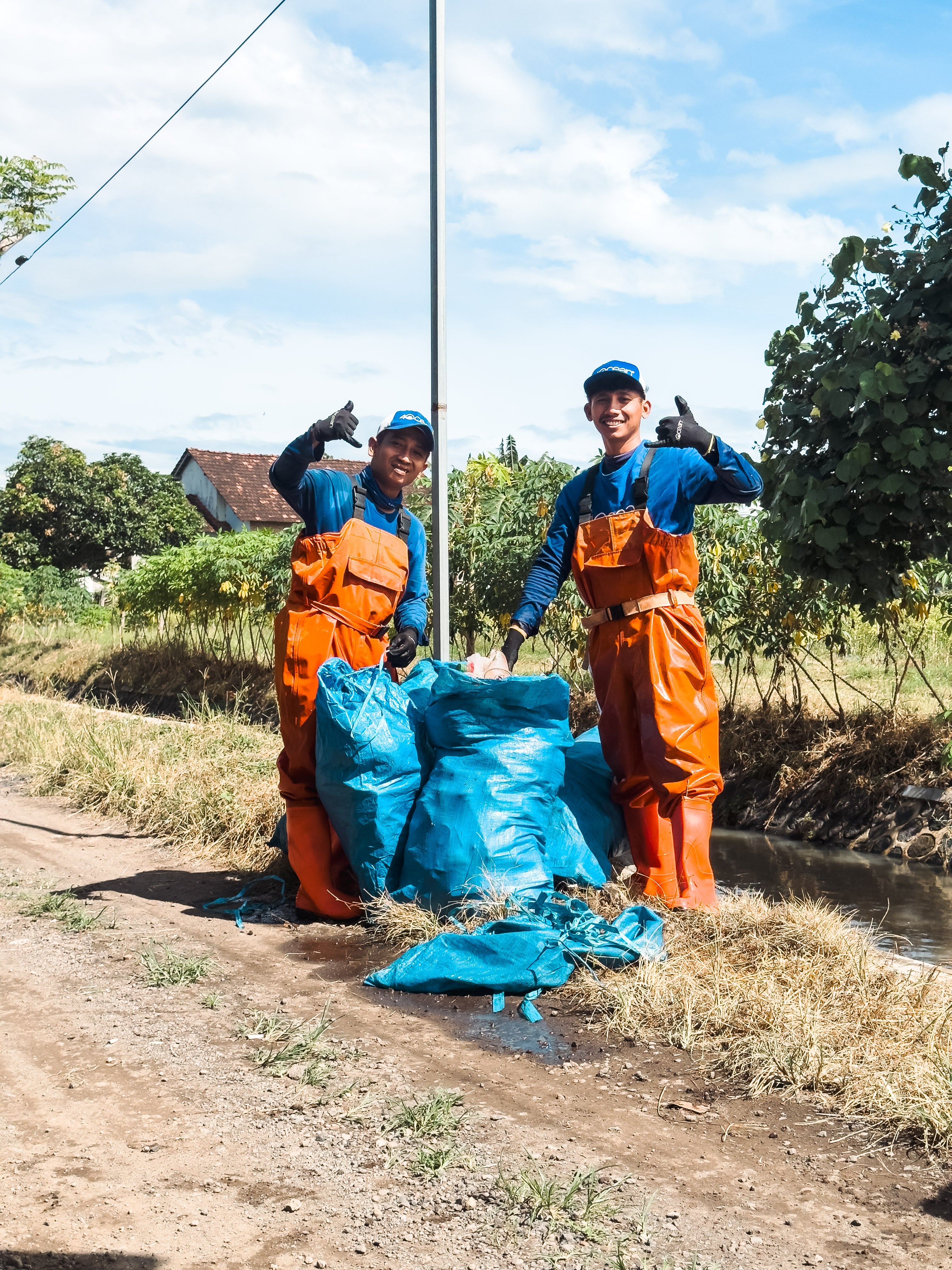
Since its founding in 2017, 4ocean has removed more than 50 million pounds of trash from oceans, rivers, and coastlines. Its cleanup operations include locations in Florida and Indonesia, with teams working in coastal communities, rivers, and high-impact plastic accumulation zones. These are not one-day photo opportunities. They are ongoing operations that require crew members, boats, equipment, sorting systems, transportation, and verified documentation.
That is the important difference between ordinary merchandise and impact merchandise. A 4ocean bracelet is connected to a real-world cleanup system. The bracelet helps fund labor. It supports crews. It contributes to operational infrastructure. It turns customer demand into ocean plastic removal.
For anyone searching for an honest 4ocean review, this is the core point to understand: 4ocean is not simply selling products with an environmental message. It is using products and partnerships to fund cleanup operations at scale.
Why the For-Profit-for-Purpose Model Matters
One reason 4ocean has grown is because it operates through a for-profit-for-purpose model. That structure is sometimes misunderstood, but it is one of the reasons the company has been able to scale its work.
While traditional nonprofits do vital work, they often rely on unpredictable donation cycles and grants. Those are important, but they can be unpredictable. 4ocean’s model is different. Product sales and corporate partnerships create revenue that helps fund cleanup operations. In other words, the business engine supports the environmental mission.
That matters because cleanup work is physical, expensive, and continuous. Plastic does not stop entering waterways after a campaign ends. Rivers keep carrying waste. Coastlines keep receiving debris. Fishing gear, bottles, packaging, and low-value plastic continue to accumulate in places where waste systems are under-resourced.
A for-profit-for-purpose model allows a cleanup company to keep building systems. It can hire crew members, invest in equipment, document impact, and collaborate with brands that want measurable action.
This is also why impact merchandise is powerful. It does not ask people to choose between commerce and conservation. It asks a better question: Can commerce be designed to fund conservation?
For 4ocean, the answer is yes. The bracelet is the most visible example, but the larger model includes corporate partnerships, plastic neutrality programs, cleanup sponsorships, and branded campaigns that allow companies to connect their sustainability goals to verified impact.
Brand Partnerships Show the Scale of the Movement
The rise of impact merchandise is not limited to individual consumers. Some of the world’s most recognizable brands are also looking for ways to connect their products, packaging, and customer communities to measurable environmental outcomes.
4ocean has partnered with more than 100 brands that have taken certified action against plastic pollution. These partnerships show that sustainability is no longer just a side campaign. It is becoming part of how brands think about trust, responsibility, and growth.
Corona is one strong example. In partnership with 4ocean, Corona supported cleanup work focused on Guatemala’s Rio Motagua, a river known for carrying major amounts of plastic waste toward the Caribbean. The initiative aimed to remove one million pounds of plastic waste and included a community element through local product development using recovered plastic. This is what strong sustainability partnerships can do: address pollution, support cleanup jobs, and create local value.
GoodPop, a frozen treat brand known for better-for-you products, has also partnered with 4ocean as a Plastic Neutral Partner. For a consumer goods brand, plastic neutrality is an important step because it acknowledges a real challenge. Packaging is part of the food and beverage industry. Instead of ignoring that footprint, brands like GoodPop are choosing to support ocean plastic removal as part of a broader sustainability effort.
HP Inc. is another example of how impact can move beyond lifestyle products. As a major technology company, HP’s partnership with 4ocean signals that ocean plastic removal is relevant across industries. Sustainability is not only for outdoor brands or eco-focused startups. It matters in electronics, apparel, food, beverage, beauty, hospitality, and corporate gifting.
Other brands connected to 4ocean partnerships include SC Johnson, Kitsch, Garden of Life, U.S. Polo Assn., Chomps, Amika, Endangered Species Chocolate, Eva NYC, Frank Family Vineyards, Playa Bowls, Serena & Lily, and many more. The range matters. It shows that impact merchandise and plastic pollution solutions are becoming part of a broader movement among sustainable brands that want their products to stand for more than consumption.
Why Consumers Trust Products With Proof
The market has become more skeptical of vague sustainability claims, and for good reason. Words like eco-friendly, green, conscious, and sustainable are often used without enough explanation. Consumers want more than a label. They want proof.
Impact merchandise works best when the impact can be measured.
This is where verified impact becomes essential. 4ocean tracks cleanup work through documented operations, including pounds removed, cleanup locations, crew activity, and recovered materials. Its impact reporting helps customers and partners understand what their purchases and partnerships are funding.
For a customer, that creates confidence. When someone buys a 4ocean bracelet, they are not just buying a symbol. They are supporting a system that reports measurable cleanup outcomes. When a brand partners with 4ocean, it is not simply attaching itself to an environmental message. It is funding plastic removal that can be tracked and communicated.
This is the future of sustainable branding. The strongest brands will not be the ones that make the loudest claims. They will be the ones that can show what changed because customers chose them.
The Future of Merchandise Has to Mean More
People do not want more stuff for the sake of stuff. They want products with meaning, quality, and proof of impact. That does not mean every product needs to solve a global crisis on its own. It means brands have an opportunity to make better choices about what they create, how they sell, and what their growth supports.
Impact merchandise is rising because it gives people a role in the solution. It allows customers to take part in ocean plastic removal, support sustainable brands, and choose products that do something beyond the transaction.
For 4ocean, that movement started with a bracelet. Today, it includes verified cleanup operations, global crews, corporate partnerships, plastic neutrality programs, and more than 50 million pounds of trash removed from oceans, rivers, and coastlines.
That is why the 4ocean bracelet continues to matter. It is simple, visible, and connected to action. It proves that a product can be more than a product. It can be a funding tool, a signal of shared values, and a small but real step toward cleaner waterways.
For consumers, the invitation is simple: choose products that do something. For brands, the challenge is even clearer: build merchandise that carries measurable impact, not just a logo.
The future of retail belongs to brands that back their promises with action. Join the movement toward authentic sustainability—visit 4ocean Partnerships to learn how your business can integrate verified ocean plastic removal into its business model.