


7 min read
5 Ocean Animals Most Threatened by Plastic Pollution
Cathleen P. Montano
Plastic pollution does not just float on the surface of the ocean. It drifts through currents, sinks into reefs, washes into mangroves, breaks into microplastics, and enters the food chain. For marine animals, plastic is not just trash. It can look like food, feel like shelter, or become an invisible trap.
From sea turtles mistaking bags for jellyfish to whales swallowing plastic debris, the damage is happening every day. Some animals are harmed by the plastic they eat. Others are trapped by fishing lines, ropes, nets, and abandoned gear. Many face both.
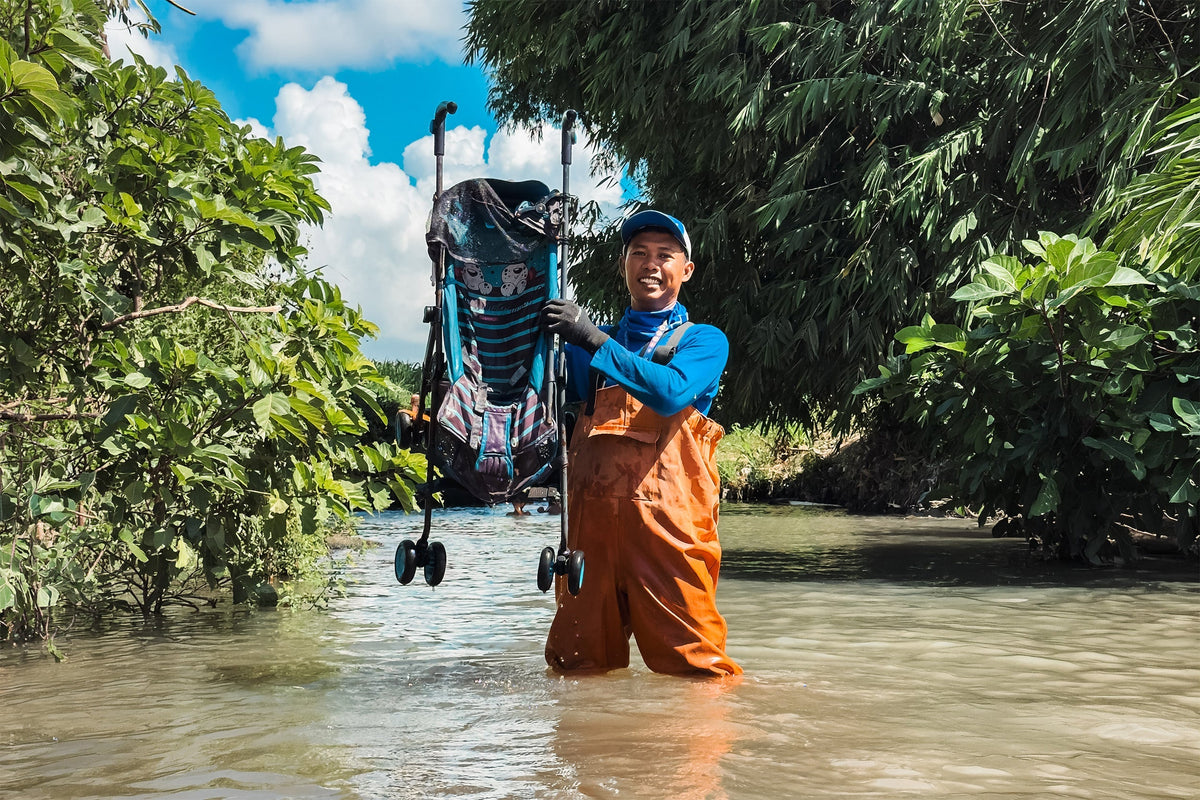
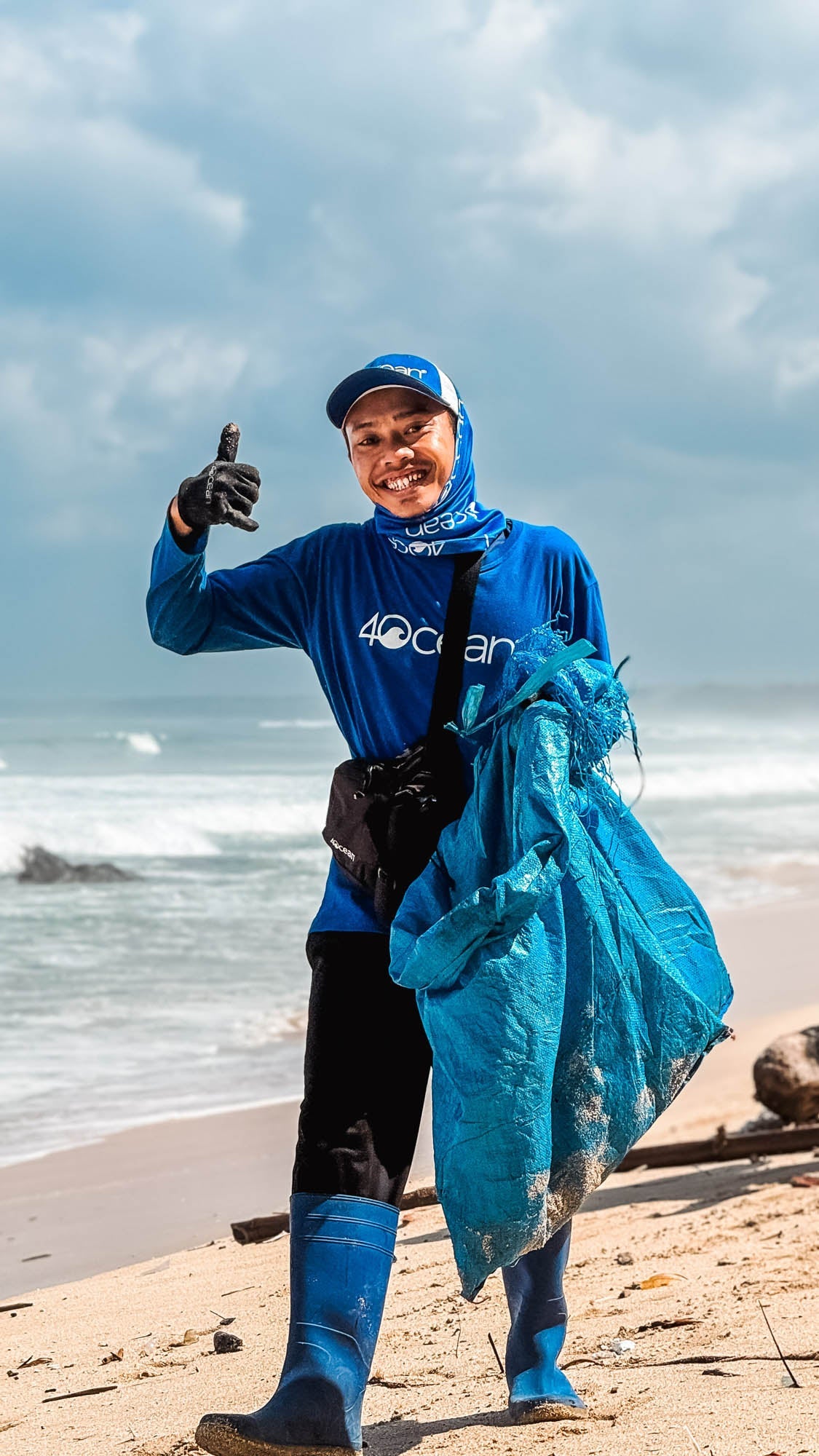
At 4ocean, this is why cleanup matters. Every pound of plastic removed from oceans, rivers, and coastlines is one less pound that can wrap around a turtle, be swallowed by a whale, or break down into microplastics.
Here are five ocean animals most threatened by plastic pollution and why removing debris today is the most immediate way to protect their future.
1. Sea Turtles
Having navigated the oceans for millions of years, sea turtles are now facing one of their greatest modern threats: plastic pollution Plastic bags can look like jellyfish, one of the foods sea turtles naturally eat. Floating fragments can look like small prey. Fishing lines and ropes can wrap around their flippers, necks, and shells, making it harder for them to swim, feed, surface for air, or nest.
The danger is especially high for young turtles. Many spend their early lives near the ocean surface, where floating plastic collects. This puts them directly in the path of bottles, bags, caps, foam, and broken plastic pieces.
For sea turtles, plastic pollution is both a feeding threat and a movement threat. They can swallow it, get trapped in it, or drag it for miles.
This is why ocean plastic removal matters. When 4ocean crews recover plastic bags, fishing lines, ropes, and discarded nets from coastlines and waterways, they are removing hazards that could otherwise remain in turtle habitats for decades.
- Giving is mandatory, not optional
- Contributions are independently audited
- Funds go directly to high-impact environmental organizations
- Customers can confidently support verified impact
And for companies in the sustainability and ocean plastic removal space, 1% for the Planet adds an additional layer of transparency.
2. Whales and Dolphins
Whales and dolphins face two major plastic threats: ingestion and entanglement.
Large whales can accidentally swallow plastic while feeding. Some species filter huge amounts of water through their mouths, which means plastic fragments, fishing gear, and other debris can enter their bodies along with prey. In some stranded whales, researchers have found stomachs filled with plastic bags, rope, and fishing gear.
Dolphins and smaller whales are also vulnerable to entanglement. Abandoned fishing gear, often called ghost gear, can wrap around fins, tails, and mouths. Once caught, the animal may struggle to swim, hunt, breathe, or keep up with its pod.
Ghost gear is especially dangerous because it continues to trap animals long after it has been lost or abandoned. A single net can keep fishing for years.
This is one reason 4ocean cleanup crews focus not only on obvious consumer plastic, but also on heavy, dangerous debris like ropes, nets, and fishing lines. A recovered net can prevent years of future harm.
- Full-time wages for cleanup crews
- Boats, gear, and safety equipment
- Sorting, processing, and recycling
- Facility operations across multiple countries
- Facility operations across multiple countries
- Logistics for transporting recovered materials
This operational investment is what drives the company’s verified, pound-for-pound impact. It ensures that each 4ocean bracelet and product directly funds ocean cleanup, creating one of the strongest impact models in the sustainability space.
And despite these significant operating costs, 4ocean still donates 1% of its revenue to environmental organizations every year through the 1% for the Planet commitment.
That means customers support two layers of impact:
- Direct cleanup operations
- Environmental nonprofit donations on top of it
Very few mission-driven brands operate with this level of dual accountability.
3. Seabirds
Seabirds live between land, air, and sea, which makes them highly exposed to plastic pollution.
Many seabirds feed by skimming the ocean surface, diving for fish, or collecting food for their chicks. Unfortunately, floating plastic fragments can look like fish eggs, squid, or other prey. Once ingested, plastic can lead to 'starvation on a full stomach' by blocking digestion and preventing the bird from absorbing vital nutrients.
Adult birds may also feed plastic to their chicks without realizing it. For young seabirds, even small amounts of plastic can be deadly.
Entanglement is another major threat. Fishing line, packing straps, nets, and synthetic rope can wrap around wings, legs, and beaks. Birds caught in plastic may be unable to fly, feed, or escape predators.
Plastic moves with ocean currents, which means even remote islands and nesting sites can become collection points for marine debris. Cleanup helps reduce this risk. Every piece of plastic removed from a coastline, river mouth, mangrove, or beach is one less object that can enter seabird feeding and nesting habitats.
4. Seals and Sea Lions
Seals and sea lions are naturally curious animals. They swim through kelp forests, rocky coastlines, harbors, and fishing zones, many of the same places where plastic debris and discarded fishing gear collect.
Because they investigate objects in the water, they are especially vulnerable to entanglement. Plastic packing bands, fishing line, net fragments, and rope can loop around their necks or bodies. As the animal grows, the plastic can cut deeper into its skin, causing infection, injury, or death.
Entanglement can also make it harder for seals and sea lions to hunt or escape predators. A piece of plastic that looks small on the beach can become life-threatening once it tightens around a moving animal.
Ghost gear adds another layer of danger. Lost nets and traps can continue catching marine life for years, affecting not only fish but also the predators that follow them.
For animals like seals and sea lions, removing plastic from the ocean is not abstract. It can mean the difference between swimming freely and carrying a life-threatening injury.
5. Fish and Sharks
Fish are affected by plastic pollution in ways that are often less visible, but deeply important.
Small fish can ingest microplastics, mistaking them for plankton or tiny food particles. Larger fish may swallow plastic fragments directly or eat smaller prey that have already ingested microplastics. As plastic moves up the food chain from tiny plankton to apex predators, it becomes a systemic threat that eventually reaches the seafood on our own plates.
Sharks also face plastic threats. They can become entangled in fishing gear, ropes, and nets, especially in areas where abandoned gear drifts through the water. Some sharks are injured by plastic bands or lines that tighten around their bodies as they grow.
The impact does not stop with individual animals. Fish are a foundation of marine ecosystems and a major food source for people around the world. When plastic enters fish populations, it affects ocean health, food webs, and coastal communities that depend on fishing.
Plastic pollution solutions need to address both large debris and microplastics. Once plastic breaks into smaller pieces, it becomes much harder to remove. That makes prevention and early cleanup critical.
By removing plastic before it fragments, 4ocean helps stop larger debris from becoming tomorrow’s microplastic problem.
Why Cleanup Matters
Plastic is dangerous because it does not simply disappear. It can drift, sink, tangle, fragment, and persist for years. Animals can mistake it for food, become trapped in it, or live in polluted habitats without knowing the risk.
The main threats are ingestion, entanglement, habitat damage, and microplastics. Together, they make plastic pollution one of the most urgent threats facing marine wildlife today.
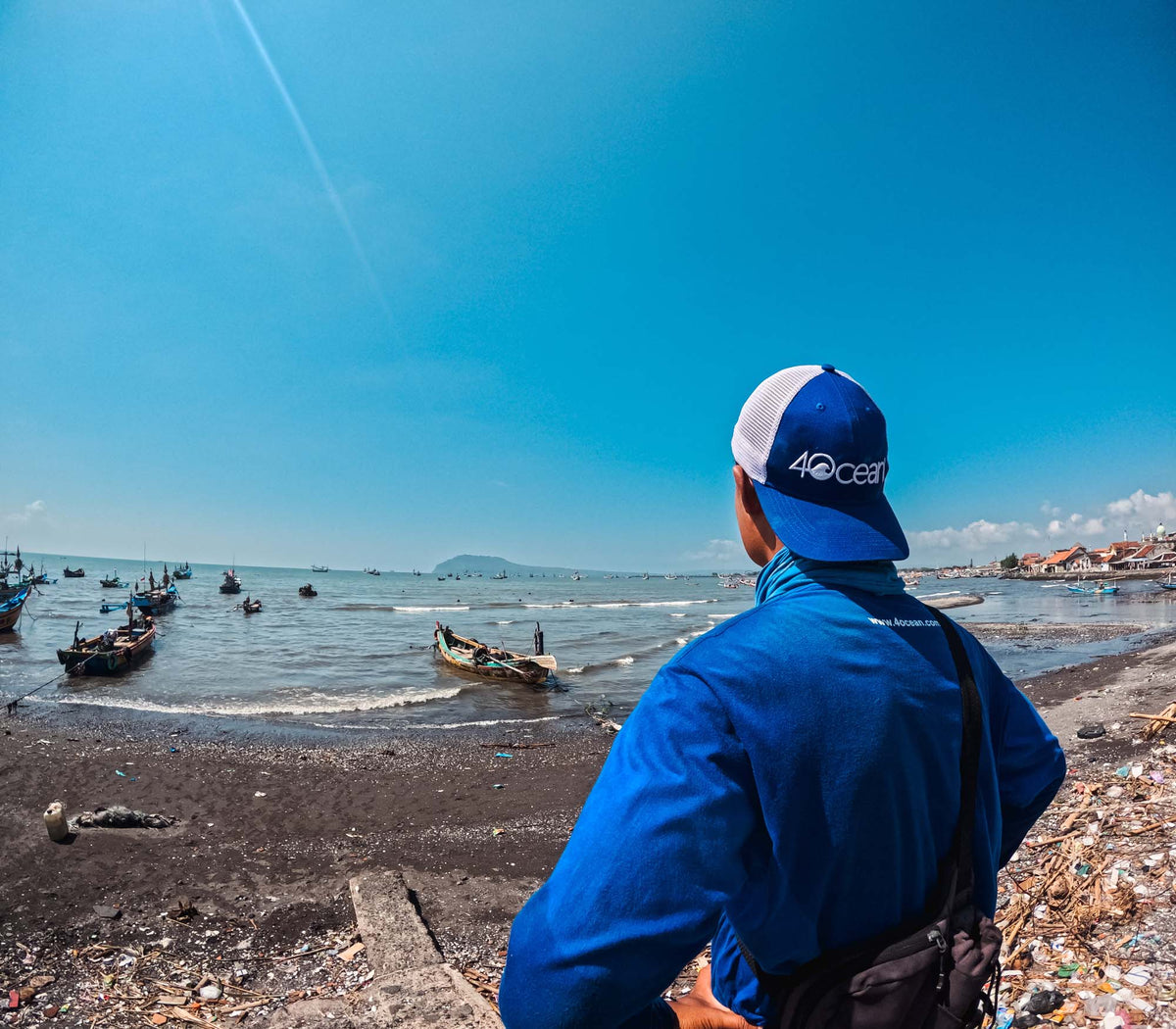
4ocean’s cleanup model is built around a simple idea: remove plastic from the environment before it can do more harm. Through cleanup operations in oceans, rivers, and coastlines, 4ocean crews recover plastic bottles, bags, foam, ropes, fishing gear, and other debris that threaten marine life.
Every 4ocean bracelet funds the removal of one pound of trash from oceans, rivers, and coastlines. That pound could include the kind of debris that harms sea turtles, whales, dolphins, seabirds, seals, sea lions, fish, and sharks.
Cleanup is not the only solution. We also need better waste systems, reduced single-use plastic, stronger fishing gear accountability, smarter product design, and more responsible consumption. But cleanup is one of the most direct actions we can take right now.
How You Can Help
Protecting marine animals from plastic pollution starts with awareness, but it cannot end there.
You can reduce unnecessary single-use plastics. You can choose reusable products. You can support sustainable brands that fund measurable cleanup. You can join local cleanups. You can choose responsibly sourced seafood. You can share information about ghost gear, microplastics, and ocean plastic removal so more people understand what is at stake.
At 4ocean, every product helps fund real cleanup operations. Every bracelet pulls a pound. Every pound removed is one less threat to marine life.
If you’re a brand, company, or organization looking to make a measurable difference, 4ocean offers custom sustainability partnerships that align business goals with real, verified cleanup impact.
Visit 4ocean Partnerships to learn how your brand can join the authentic sustainability movement and help remove even more plastic from the ocean.
Plastic pollution may be one of the ocean’s biggest challenges, but it is not beyond action. The ocean doesn’t need perfect people; it needs a global community taking collective responsibility. Whether it’s reducing your own waste or funding the removal of a single pound, every action moves us closer to a cleaner blue planet