


7 min read
The 4ocean Model Works: Here’s Why I’m Comfortable Saying So
Discover why 4ocean’s for-profit ocean cleanup model works—funding verified daily cleanups, fair jobs, and lasting environmental impact through every sale.
I spend a lot of time reading “gotcha” pieces about sustainability. They rack up clicks, but they also flatten nuance. So when I first saw the viral claim that “4ocean is misleading millions,” I did what any skeptical optimist should: I read the piece… and then I read the receipts.
After talking with people who follow this space, and reviewing 4ocean’s own third-party validations and certifications, here’s where I land: 4ocean isn’t perfect (no solution to ocean plastic is), but the system they built actually works. Product sales fund verified cleanups by full-time crews who do this every day. It’s measurable, partner-backed, and crucially, scalable.
This isn’t an ad. It’s an observation of how a company with a debated model is finding ways to stay operational and keep creating a sustainable impact, which is a challenge shared by many purpose-driven organizations including nonprofits.

First, the big misunderstanding: “4ocean is 4Profit.”
Yes. 4ocean is a for-profit Public Benefit Corporation (PBC) and a Certified B Corporation. For some people, that sounds suspicious; as if a company can’t both earn revenue and create positive change. But that’s a misunderstanding of how modern purpose-driven business works.
A Public Benefit Corporation has a legal obligation to pursue its stated public benefit (in this case, “ending ocean plastic”) alongside shareholder value. And B Corp certification, run by the nonprofit B Lab, isn’t a participation trophy. It’s a demanding audit that examines governance, labor practices, and environmental impact before granting certification.
Here’s why that structure matters. A charity can do excellent work, and so can a for-profit built for purpose. Traditional nonprofits often rely on donations that rise and fall with public attention, while 4ocean’s for-profit-for-purpose model generates a consistent stream of revenue from every bracelet, partnership, and product sold.
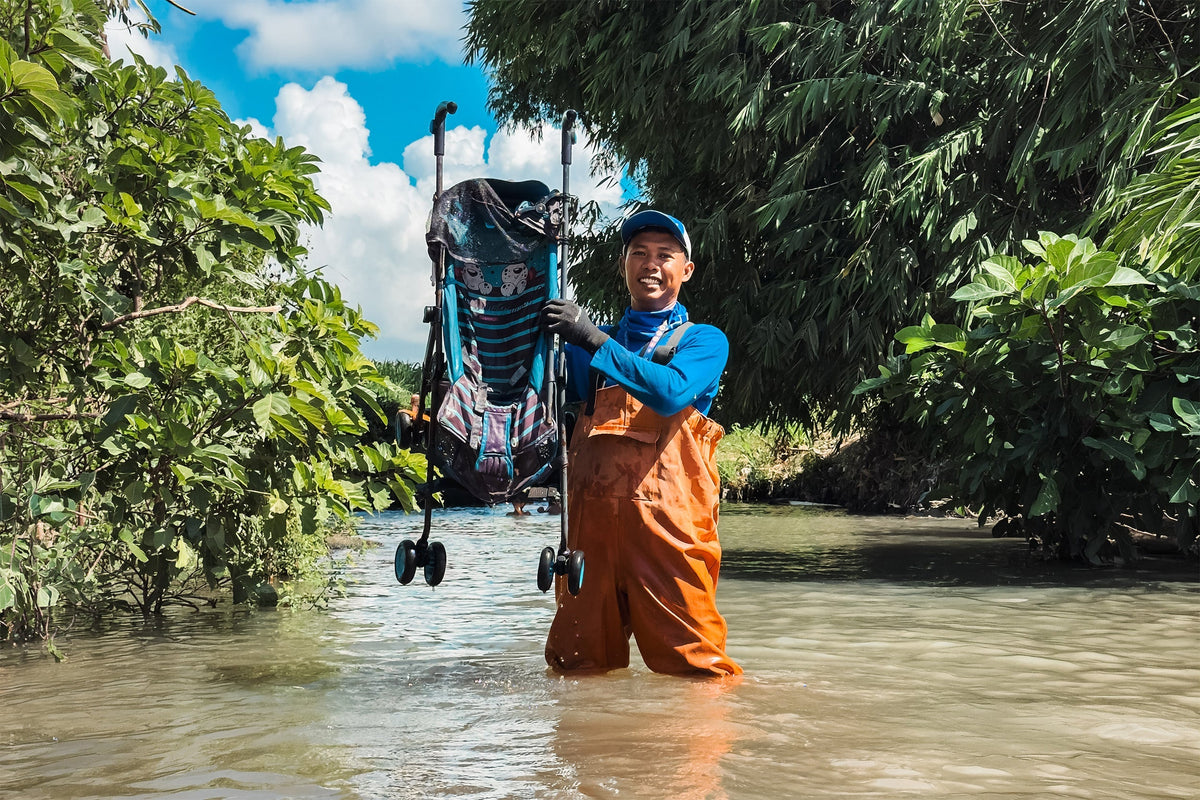
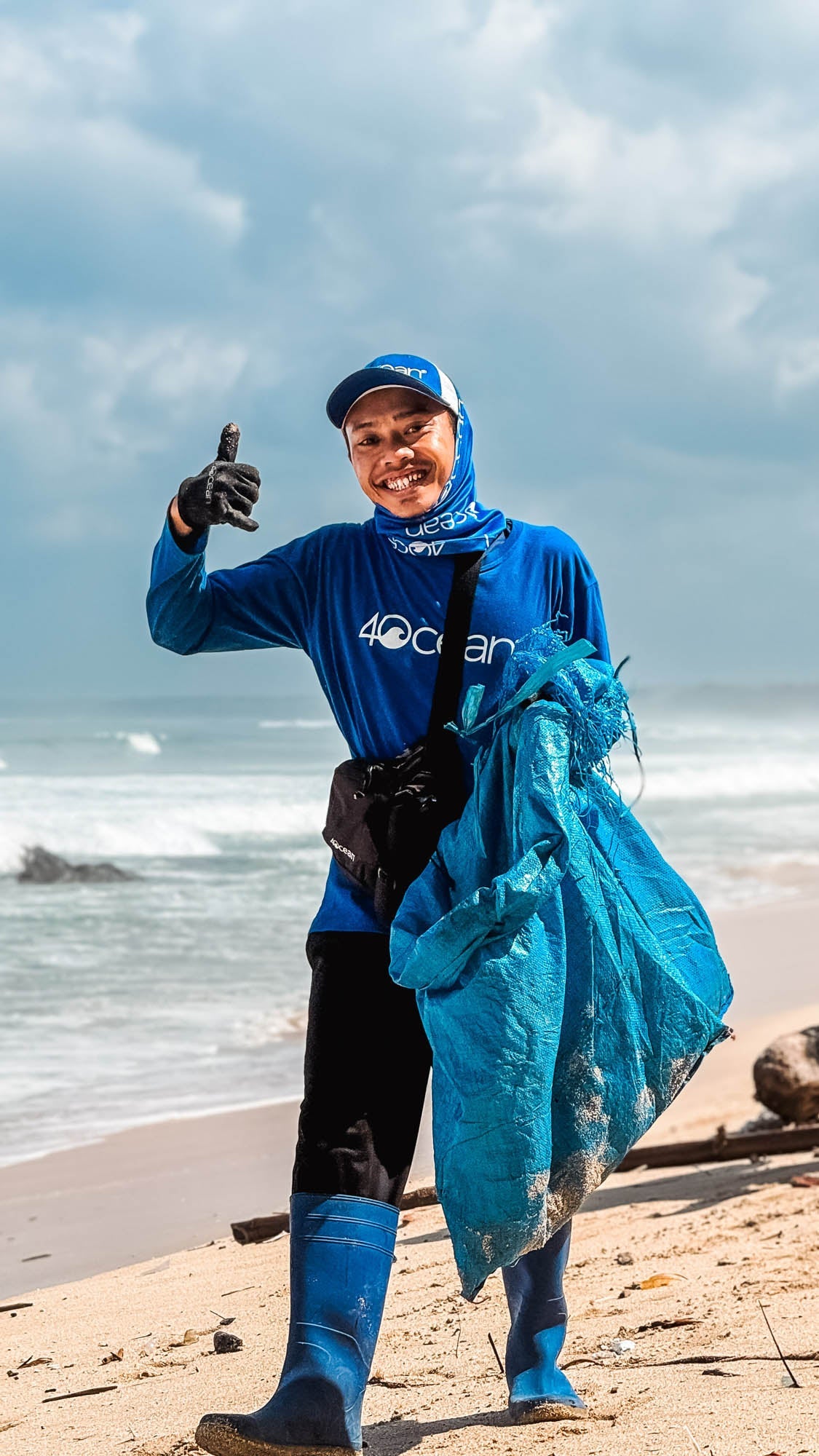
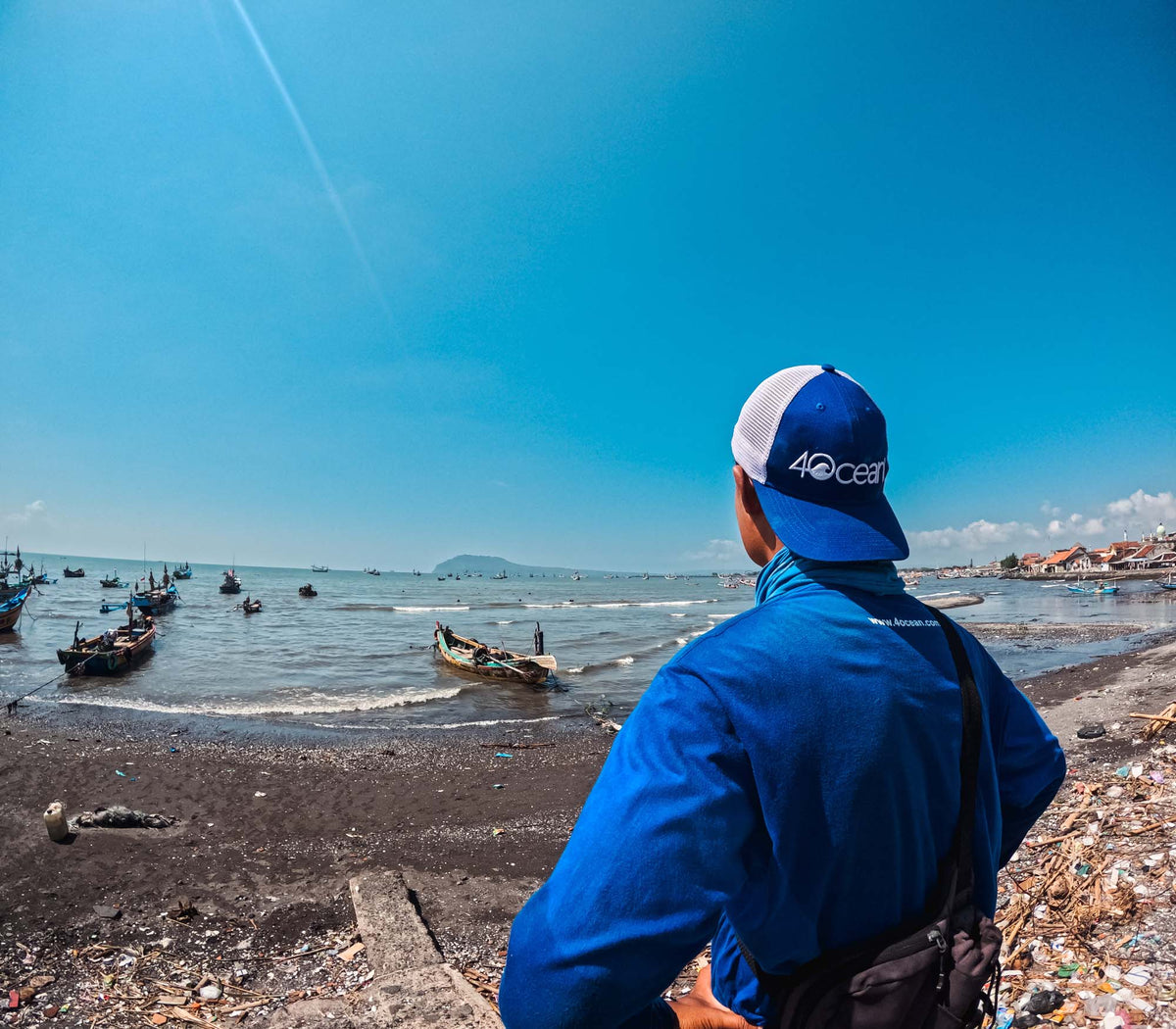
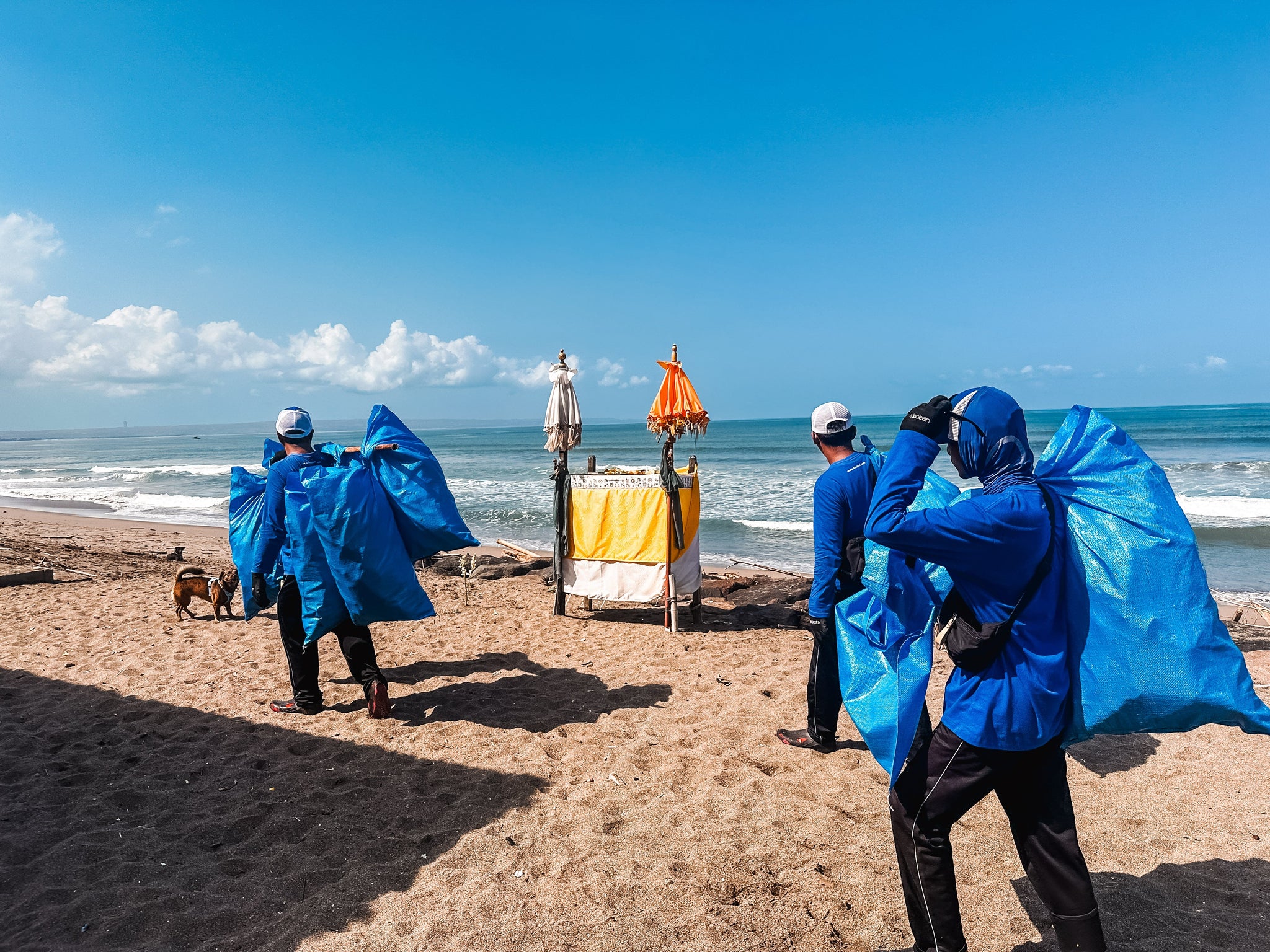
That steady income pays for the infrastructure that keeps the cleanups running: boats, gear, crews, wages, and waste processing. It also covers health insurance, bonuses, and job training for workers in coastal communities in Indonesia and Florida. It’s easy to romanticize volunteerism, but volunteers don’t pay rent. 4ocean’s approach builds long-term, stable employment for people who once depended on fishing or low-income tourism and now earn a living cleaning the very waters that sustain them.
Put simply: while charities often clean when funding allows, 4ocean is structured to clean every day. Its independence from donations helps the mission survive trends, recessions, and shifts in public attention. In that sense, financial sustainability becomes environmental consistency, and that’s a trade-off worth defending.
If you want to check the “are they real?” box, this structure, paired with third-party verifications, gets you most of the way there. It’s not a loophole; it’s a blueprint for a future where doing good and doing business finally coexist.
The pledge that keeps the lights on: “Every bracelet pulls a pound.”
The 4ocean bracelet isn’t a miracle cure; it’s a mechanism. A bracelet (or any product) is purchased → the purchase funds the removal of one pound of trash from the ocean, rivers, or coastlines. I’ve seen the critique that this is “just marketing.” That misses the obvious: marketing is how movements recruit the next 10 million people to fund the next 10 million pounds. If the pounds are real (and we’ll get to that), then the marketing is doing exactly what it should.
What does “real” look like here? Each cleanup is logged with GPS-verified location, date, duration, crew and vessel IDs, photos before/during/after, sack weights, and totals. Submissions go through a maker-checker (dual approval) process. If the evidence doesn’t meet the standard, the entry is denied and doesn’t count. The process feeds into 4ocean’s TrashTracker dashboard, the same system used to provide geo-tagged photographic proof for brand partners. Every pound is traceable from collection to proper processing.
Critics call this “unverifiable.” I call it a functional audit trail.
“But they’re only removing a tiny percent of the problem…”
I see this argument a lot in environmental circles: your slice is small, therefore your slice is meaningless. That view misses an important point. If you’ve ever bailed water from a sinking boat, you know that every steady, measured bucket matters while you also fix the leak.
4ocean’s crews have documented tens of millions of pounds removed since 2017 (pound by pound verified), while the brand funds education and upstream work to reduce new plastic. Dismissing that as “only a fraction” of global waste is like telling firefighters to stop because there are still more houses on the block.
Small percentages compound. Consistent removal buys time for policy, design, and infrastructure to catch up.
The verification layer people miss
If you’ve ever heard “trust us” from a brand before, skepticism is healthy. What sets 4ocean apart is that they didn’t stop at self-reporting.
Certified B Corporation: verified by B Lab, which reviews governance, labor, and environmental standards on a recurring basis.
Public Benefit Corporation: mission and accountability are written into the company’s legal DNA.
GreenCircle Certification: independent auditors conduct on-site observations of cleanups and verify documentation for every reported pound.
Ocean Positive Verification: through SeaTrees by Sustainable Surf, 4ocean offsets more than its own footprint by restoring mangrove and kelp ecosystems.
These layers don’t guarantee perfection, but they build an auditable chain of trust; something that goes beyond what most online discussions capture.
Where the money actually goes
Here’s the plain-English version of 4ocean’s own explanation of what purchases fund:
- Daily cleanups across oceans, rivers, and coastlines
- Salaries, healthcare, and benefits for full-time captains and crews
- Boats, vehicles, tools, and maintenance, plus permits for special projects (think reef tire removals)
- Responsible sorting, transport, and disposal of recovered materials (plastic, metal, glass, electronics, rubber, and more)
- Product development and shipping (because the product is what funds the cleanup)
- Education, outreach, and advertising that expand the community (i.e., the flywheel)
- R&D for better tools and new high-impact locations
- Donations (totaling millions) to aligned nonprofits via 1% for the Planet
If you’re looking for the traditional 90/10 charity pie chart, you won’t find it here. 4ocean operates as a Public Benefit Corporation that treats environmental cleanup as its core product.
Every bracelet, every product, fuels the cleanups directly. It’s a self-sustaining loop that keeps crews on the water and fuels environmental action every single day.
If you trace most viral critiques of 4ocean back to their sources, you’ll find a pattern: speculation masquerading as math. So let’s clarify a few of the biggest myths.
Where the money actually goes
Here’s the plain-English version of 4ocean’s own explanation of what purchases fund:
- “Alibaba sells the bracelet for 50 cents.” False. Those are counterfeits. 4ocean filed infringement claims and had listings removed. The authentic bracelets are produced through vetted suppliers, not third-party bulk sites.
- “Crews inflate weight by collecting from dumpsters.” 4ocean forbids this. The GPS and photographic data trail prevents it, and any inconsistent submission is automatically rejected.
- “The big vessel was a PR stunt.” It wasn’t. The Ocean Plastic Recovery Vessel completed two missions and disaster-relief trips before being retired for cost efficiency. The decision to pivot funds into higher-impact areas like Guatemala and Java reflects operational maturity, not deception.
- “Not all trash comes from the ocean.” Correct, and intentionally so. Removing plastic before it reaches the ocean is the smartest intervention we have. Upstream collection at rivers and coastlines prevents exponentially more damage downstream.
Each of these so-called exposés misunderstands what effective cleanup logistics look like. It’s messy, it’s iterative, and it’s verified in data, not speculation.
Partnerships that quietly say, “We checked.”
When major brands (the ones with their own sustainability audits and PR risk departments) partner with you, that’s its own form of vetting. 4ocean has worked with Chomps, Corona, HP Inc., GoodPop, SC Johnson, and a long list of others across food, tech, and lifestyle sectors.
These partnerships aren’t vanity plays. They tie real budgets to quantified pounds of trash removed. A global company doesn’t sign a contract without due diligence. That kind of trust is earned, not bought.
If you’re benchmarking sustainable brands you want to support, “Who trusts them enough to partner?” is a fair filter.
- “Alibaba sells the bracelet for 50 cents.” False. Those are counterfeits. 4ocean filed infringement claims and had listings removed. The authentic bracelets are produced through vetted suppliers, not third-party bulk sites.
- “Crews inflate weight by collecting from dumpsters.” 4ocean forbids this. The GPS and photographic data trail prevents it, and any inconsistent submission is automatically rejected.
- “The big vessel was a PR stunt.” It wasn’t. The Ocean Plastic Recovery Vessel completed two missions and disaster-relief trips before being retired for cost efficiency. The decision to pivot funds into higher-impact areas like Guatemala and Java reflects operational maturity, not deception.
- “Not all trash comes from the ocean.” Correct, and intentionally so. Removing plastic before it reaches the ocean is the smartest intervention we have. Upstream collection at rivers and coastlines prevents exponentially more damage downstream.
Each of these so-called exposés misunderstands what effective cleanup logistics look like. It’s messy, it’s iterative, and it’s verified in data, not speculation.
A few human moments that stick with me
Impact data is compelling; lived experience is better. These ones are from Alex Schulze, 4ocean co-founder, himself:
A Florida captain told me his favorite part of the job is when kids show up at a weigh-in and realize that the bracelet on their wrist literally helped put his boat in the water that week. “It clicks,” he said. “You see it in their faces. They realize it’s real.”
In Indonesia, a crew leader described how steady wages and healthcare turned what used to be temporary labor into a career. “We can plan for our families now,” he said. “Before, the work ended with the season.”
These stories don’t headline press releases, but they reveal something deeper: this isn’t just about collecting trash. It’s about restructuring local economies around restoration rather than extraction.
Is marketing…bad?
Only when it oversells what can’t be proven. In this case, marketing is the engine that keeps the cleanup machine running. Awareness drives sales; sales fund crews; crews document results that feed the next campaign. It’s a loop; a self-financing ecosystem that has removed more than 45 million pounds of trash to date.
You can dislike the ads and still respect the math.
Where this leaves me
At some point, every conversation about 4ocean circles back to the same question: Can a for-profit company truly do good?
After reading the criticism, the certifications, and the receipts, I think the answer is yes, and not in spite of being for-profit, but because of it.
A business that earns its own keep can sustain and scale its impact longer than one dependent on fluctuating donations. 4ocean’s model ensures its crews and vessels remain active through its own revenue stream. Profit, in this context, isn’t a dirty word. It’s proof of endurance.
No, buying a bracelet won’t save the ocean on its own. But it represents something that matters: a model where environmental work isn’t a side project. It’s the business itself. In a world where attention fades faster than shorelines recover, maybe what we need aren’t more promises of purity, just more systems built to keep showing up.
And that’s the quiet genius of it.
Not charity. Not hype. Just a structure sturdy enough to hold purpose through every tide.
Because saving the ocean isn’t charity, it’s a commitment to a cleaner future. And if that commitment can start with something as simple as a $20 bracelet, maybe that’s not such a bad place to begin.
If you want to see what that commitment looks like in real time, their CEO and co-founder, Alex Schulze, often shares behind-the-scenes footage and crew stories on LinkedIn.
It’s a glimpse into how the mission actually runs, early-morning weigh-ins, community projects, and the people turning purpose into a paycheck. And if you’re a brand or organization exploring your own sustainability goals, partnering with 4ocean is one way to make a measurable impact part of your business model.