5 MIN READ
07-14-2025
A Deer, A Warning: What We Found in the Mangroves
Kubik, 4ocean Indonesia Content Correspondent
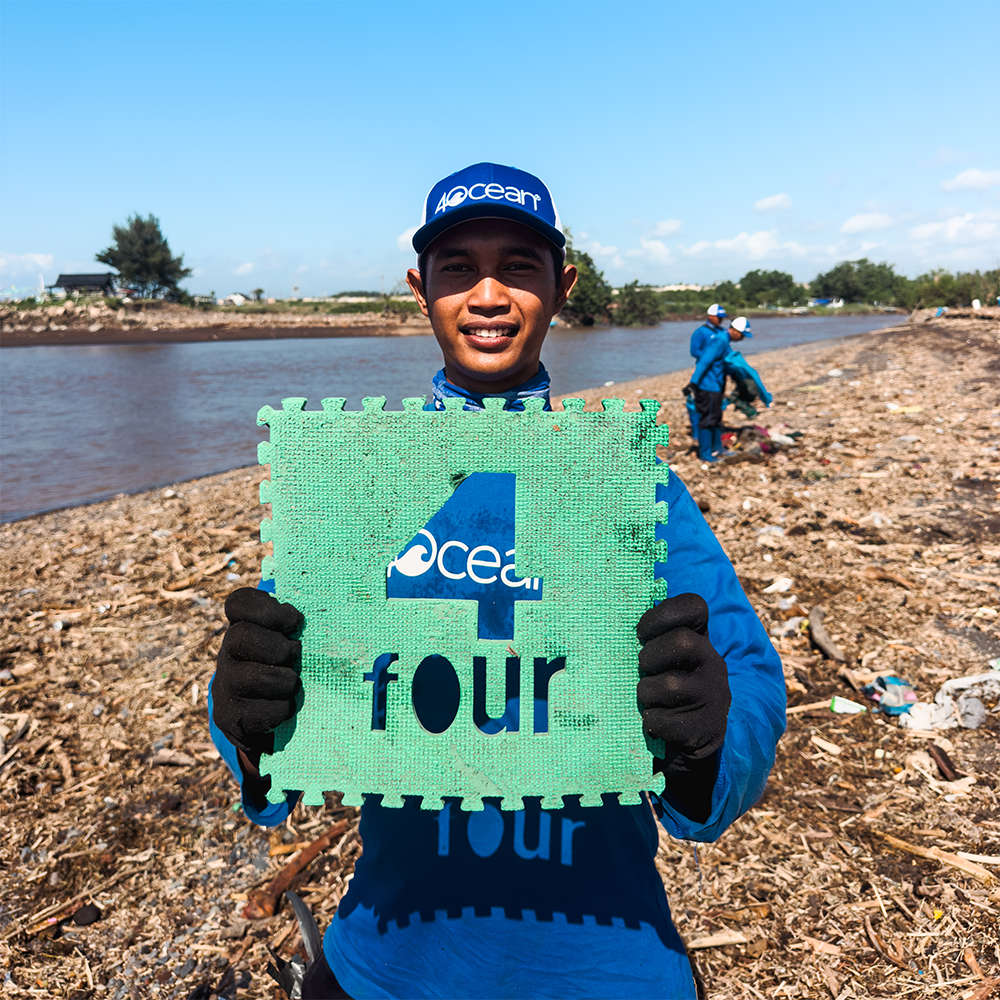
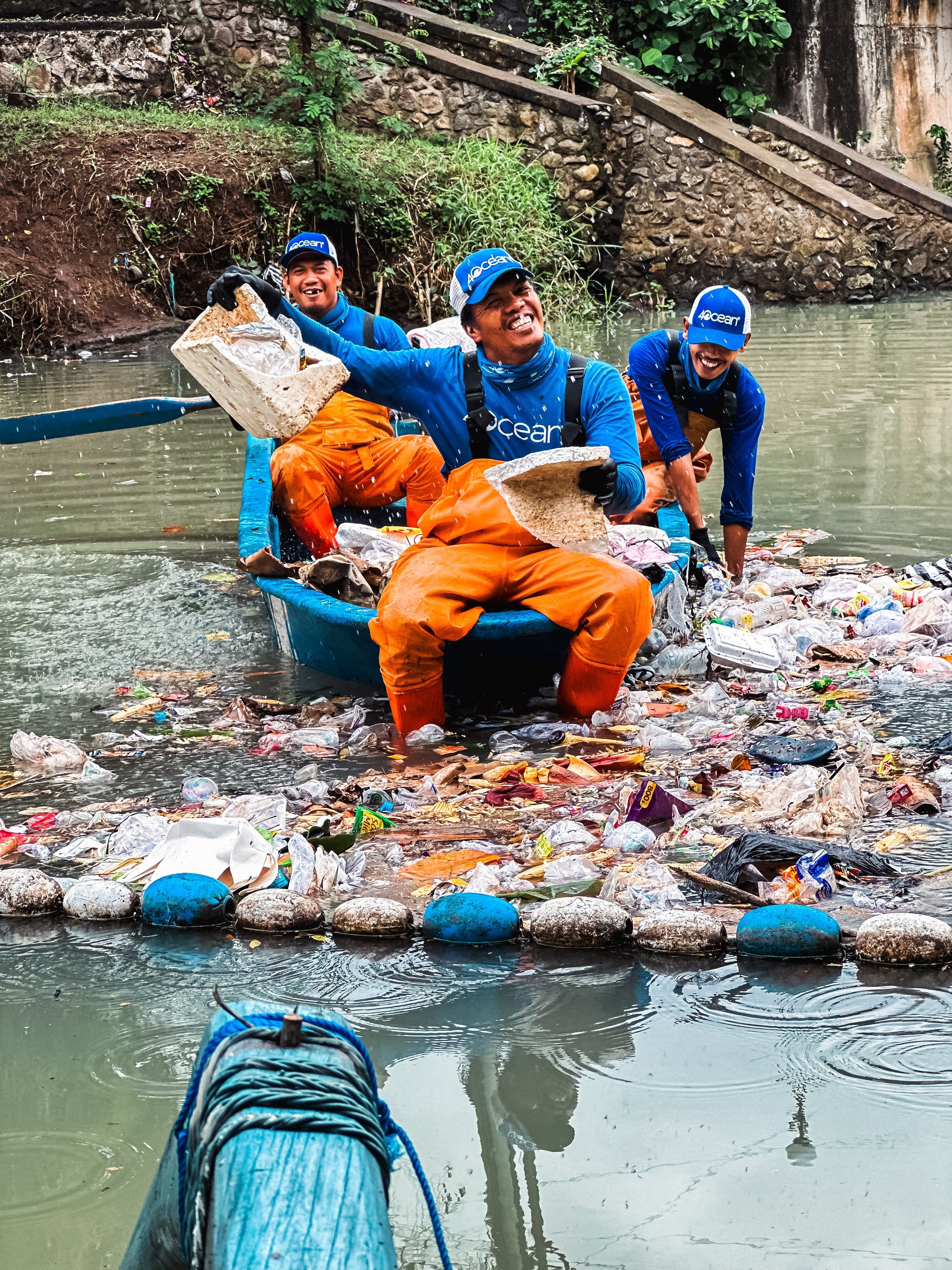
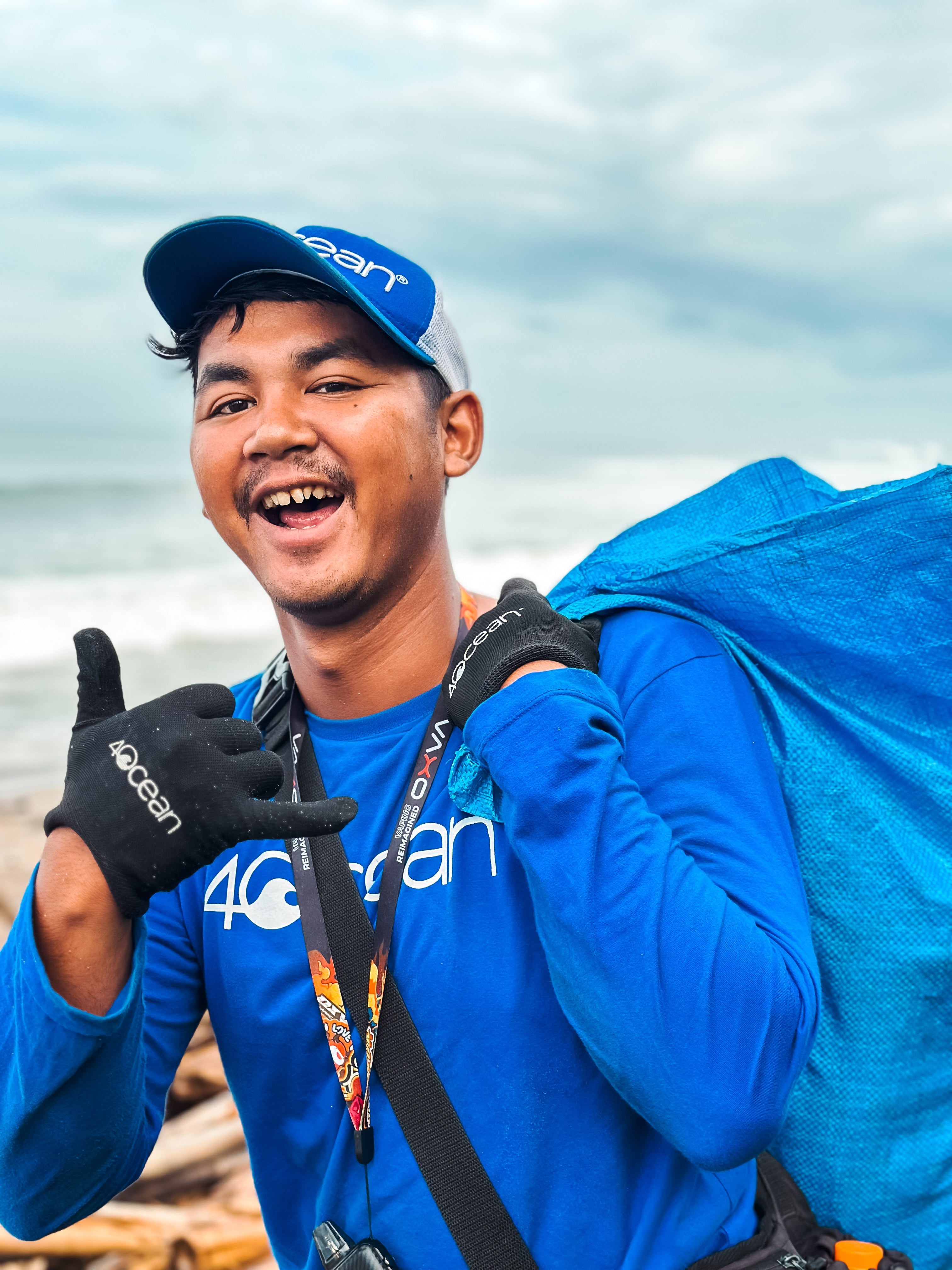
In Indonesia’s coastal mangroves, the team from 4ocean Indonesia returned for one of their biannual cleanups—pulling plastic waste from tangled roots, peeling fabric from mudflats, and hauling buried debris from the sand. Their target: a fragile ecosystem battered by constant pollution and currents that sweep in trash from surrounding islands. This time, the message hit harder than usual.


That morning, while clearing the dense mangrove zone, team members Havid and Noval were stopped in their tracks by an unexpected visitor: a wild deer, antlers wide and eyes searching. They called him Jugly. He wasn’t scared—just tired, hungry, and surrounded by plastic. The moment was quiet but piercing. In his stillness was a message: "We can’t survive this much longer."
The day’s work spanned multiple zones, where other crew members—Zidan, Dopir, and Rony—worked through Prapat Agung’s forested edges, uncovering trash that had clearly been sitting for years. They pushed forward with joy and grit, clearing out every plastic bottle, every scrap of rope, every tangle of fishing net caught in the mangrove roots.


By the end of the day, 4,325.96 pounds of waste had been removed. Most of it was plastic—bags, bottles, ropes, nets—along with discarded textiles that once floated in from upstream. Much of it was deeply embedded, some dangerously close to harming wildlife.
But this cleanup wasn’t just about weight. It was about what that deer made clear: when humans neglect nature, the impact is immediate—and shared by every creature that calls these coastlines home.
"Each root we cleared, each sack we filled—it wasn’t just work. It was protection. That deer reminded us why we keep showing up," shared one of the crew members after the cleanup.
Of course, getting to these sites was no small feat. Thick mangrove terrain, blistering humidity, and inaccessible paths challenged every step. But the team moved with intention—wading, lifting, cutting, clearing—together.
There’s no shortcut to restoring balance. And for ecosystems like this, it’s not just about beauty. It’s about survival.