5 MIN READ
10-02-2025
Flood-Borne Trash in the Ijo Gading River
Ahmad Fasta, 4ocean Indonesia Content Correspondent
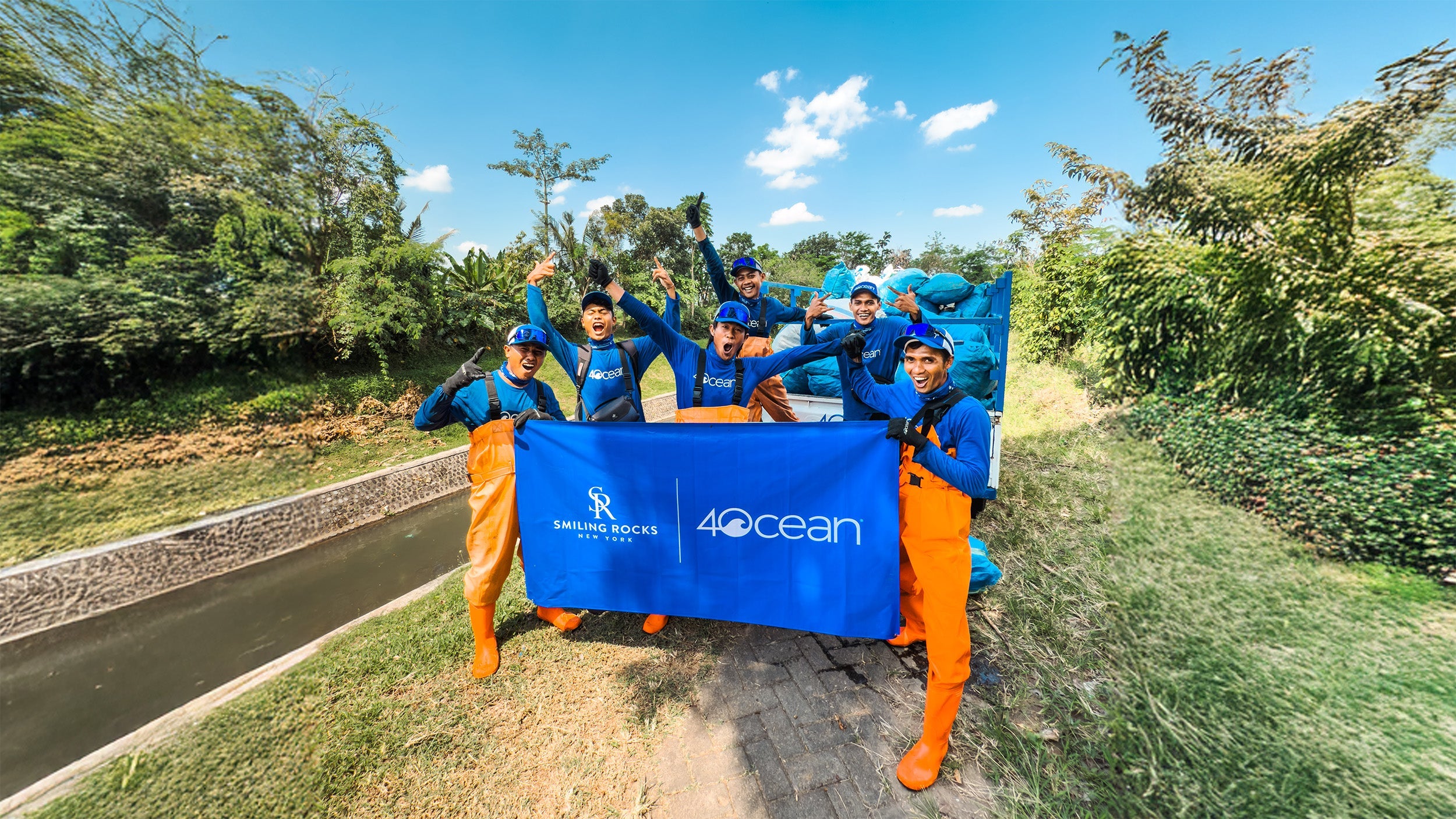
The 4ocean crew arrived early at the Ijo Gading River, where the aftermath of a heavy downpour revealed the scale of the problem. The river, swollen from the night’s flood, carried with it the waste of several upstream communities. From afar, the water shimmered with bits of plastic; drink bottles, food wrappers, and coffee sachets drifting alongside bamboo and cloth tangled in the mangrove roots. It was a grim yet familiar sight, one that demanded action.
Equipped with nets, boats, and large sacks, the team navigated the murky water and began collecting trash from some of the worst-hit areas. The closer they got, the clearer the scale of the pollution became. Many of the items had been trapped in the mangroves for months, while others were freshly deposited by the flood. The smell of rotting waste mixed with river mud filled the air, but the crew pressed on, lifting sack after sack of trash from the water.


As they worked, the rhythm of teamwork took over, some members focused on cutting away plastic tangled in mangrove roots while others gathered floating debris or hoisted heavier waste into the boats. The process was exhausting under the heat, yet no one stopped. By midday, the results were clear: the mangrove roots that had been choked with plastic were now visible again, and the flow of water along the edge of the river looked freer, clearer.


In total, the crew collected 1,614.45 pounds of waste, most of it single-use plastic like bottles, wrappers, and sachets. They also found old rice sacks, pieces of cloth, sandals, and branches carried downstream by the floodwaters. Each sack pulled from the river was a reminder of how much trash still flows through the Ijo Gading every day, and how much of it would end up in the ocean without intervention.
One of the crew members reflected, “Working in this river feels never-ending. As soon as one sack is full, there are still hundreds of bottles waiting. But if we stop, all this trash will go straight into the ocean.” Another added, “The hardest part isn’t carrying the sacks, it’s seeing our river turned into a trash bin. It hurts, but it also pushes us to keep cleaning.”
The Ijo Gading River flows directly into the sea, making it one of Jembrana’s most critical waterways. During the rainy season, it often becomes a conduit for waste carried from inland villages. This cleanup reinforced an important truth: river pollution cannot be solved at the shoreline alone. Without change in upstream waste practices, floods will continue to deliver new waves of plastic downstream.
For now, however, this small but determined act of care gave the Ijo Gading a brief moment of relief — a reminder that every piece of plastic pulled from the river is one less piece threatening the ocean.