5 MIN READ
10-11-2025
What Lies Beneath: Uncovering Bali’s Buried Waste
Qubik, 4ocean Indonesia Content Correspondent
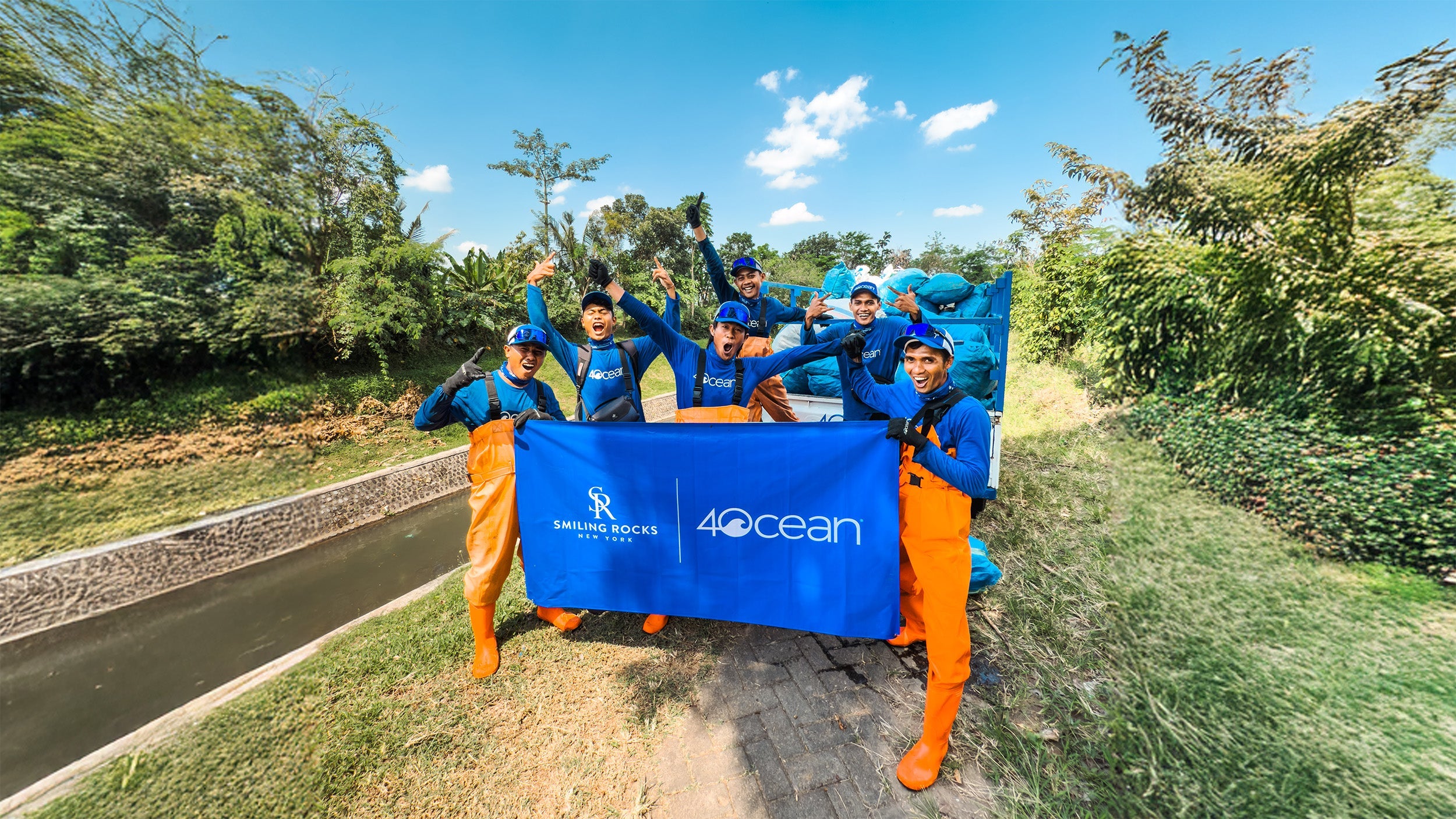
What began as a routine cleanup quickly turned into a discovery few expected. The 4ocean Medewi team arrived at Delod Brawa Beach ready to start the morning’s work, choosing to begin from the middle section and move westward since the eastern side looked fairly clean.
But appearances can be deceiving. As they dug into the sand near the waterline, they uncovered a massive bundle of tangled debris; fishing nets, lines, plastic, and fabric, all fused together by salt and time.


“At first, we thought it was just ordinary plastic,” recalled Captain Amal, “but it turned out to be a massive bundle buried in the sand… like a sea monster.”
The find was only the beginning. By mid-morning, the crew had unearthed five large bundles and several smaller ones, each one heavy and buried deep beneath the surface. Left unchecked, these ghost nets could have trapped sea turtles or other marine life that often visit Delod Brawa’s nesting grounds.
Despite the physical toll, the team refused to stop. “It was heavy, but fun, like lifting weights with nature,” joked Eko as he brushed sand from his arms.


Each pull required coordination and patience. Waves crashed against their legs as they worked, forcing them to pause and regain balance before continuing. Slowly, they carried the massive bundles to the shore, securing them one by one.
By the end of the cleanup, the team had filled 67 sacks, removing a total of 1,892.36 pounds of waste including 118.39 pounds of plastic, 998.48 pounds of mixed waste, and 155.20 pounds of non-plastic materials.
For the Medewi crew, it wasn’t just a cleanup. It was a reminder that marine debris doesn’t always float where we can see it. Much of it hides beneath layers of sand or drifts along the seabed, waiting to resurface when the tide changes.
The discovery underscored a deeper truth: protecting the ocean means looking beyond the surface. As nets and plastics degrade, they fragment into microplastics that spread invisibly across coastal ecosystems, entering the food chain and affecting both wildlife and human communities.
This experience has inspired the team to continue exploring beneath the surface during future cleanups and to educate local fishermen about the dangers of abandoned nets. The team plans a follow-up survey next week to ensure no new debris has drifted in from the southwest current.
What lies beneath may be hidden, but with teamwork, determination, and awareness, even the unseen can be brought to light.